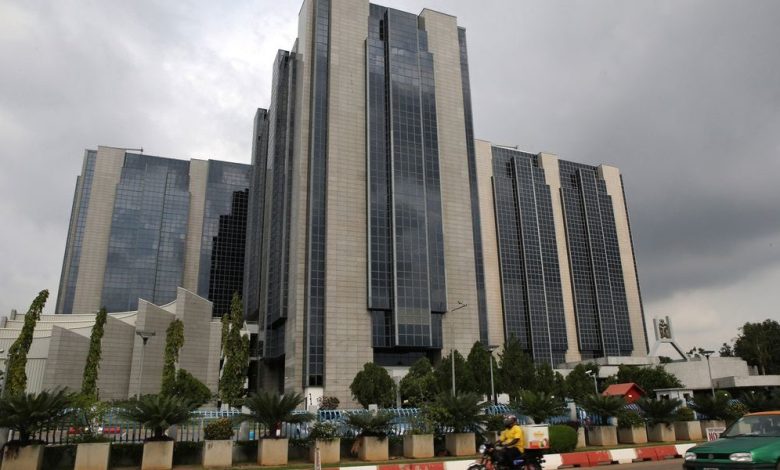
Nigerian banks are accelerating efforts to strengthen their capital base as the Central Bank of Nigeria’s recapitalisation deadline approaches.
With the regulatory cut-off drawing near, lenders are pursuing a mix of capital-raising options, including equity injections, rights issues, private placements and merger discussions, in a bid to meet the minimum capital thresholds required to sustain their operating licences.
The recapitalisation programme, introduced by the Central Bank, is designed to reinforce the resilience of the banking sector, improve its capacity to absorb shocks and enhance its ability to support economic expansion.
Under the framework, banks are expected to align their capital structure with the scale of their operations and the risks within the financial system.
Market activity suggests that institutions are adopting different approaches depending on their size, financial position and strategic outlook.
Larger banks with stronger balance sheets are leveraging market access to raise fresh capital, while mid-tier and smaller lenders are exploring consolidation opportunities to achieve the required thresholds.
Industry sources indicate that merger and acquisition discussions have intensified in recent weeks with several institutions seeking partnerships that would allow them to combine resources and meet regulatory expectations more efficiently. These transactions are also being viewed as a pathway to improve competitiveness and expand market share.
For banks opting to raise capital independently, the process has been shaped by prevailing market conditions, including investor sentiment, liquidity levels and pricing considerations.
The ability to attract investor interest has become a key factor in determining how quickly institutions can close their capital gaps.
Analysts note that the recapitalisation exercise is expected to reshape the structure of the banking industry, potentially leading to a smaller number of stronger institutions with enhanced capacity to support large-scale financing needs across key sectors of the economy.
The process also carries implications for shareholders, as capital raises may dilute existing holdings while creating opportunities for new investors to participate in the sector.
For customers, the outcome could translate into improved service delivery and greater confidence in the stability of financial institutions.
Despite the urgency, regulatory compliance remains dependent on the completion of all required processes, including approvals from relevant authorities and successful execution of capital-raising strategies.
Banks that are unable to meet the deadline may face operational restrictions or be required to adjust their licence status.
The Central Bank is expected to maintain close oversight as institutions finalise their recapitalisation plans, ensuring that the objectives of the exercise are achieved without compromising financial stability.
As the deadline approaches, the coming days are likely to determine the final configuration of Nigeria’s banking landscape with institutions racing to secure their position within a more capitalised and competitive environment.