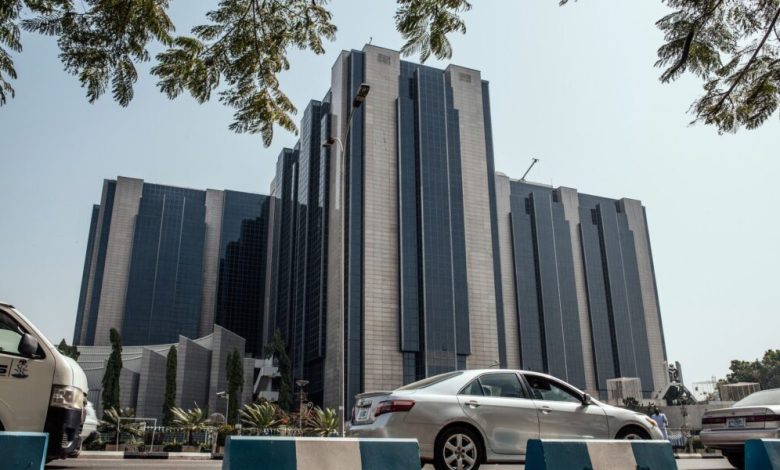
The Central Bank of Nigeria (CBN) has reduced the Monetary Policy Rate (MPR) by 50 basis points to 26.5 percent following sustained disinflation, improved external reserves and strengthened macroeconomic stability.
The decision was announced at the conclusion of the 304th meeting of the Monetary Policy Committee (MPC), held on February 23 and 24, 2026. All eleven members of the Committee were in attendance.
In addition to the rate cut, the MPC retained the asymmetric corridor around the MPR at +50/-450 basis points. The Cash Reserve Requirement (CRR) was also left unchanged at 45.00 percent for Deposit Money Banks, 16.00 percent for Merchant Banks and 75.00 percent for non-TSA public sector deposits.
The Committee said its decision followed a balanced assessment of risks to the inflation outlook, noting that headline inflation has now declined for eleven consecutive months.
According to the latest data, headline inflation eased to 15.10 percent in January 2026 from 15.15 percent in December 2025.
Food inflation declined sharply to 8.89 percent from 10.84 percent, while core inflation moderated to 17.72 percent from 18.63 percent. On a month-on-month basis, headline inflation printed at -2.88 percent, reflecting continued easing in price pressures.
The MPC attributed the disinflation trend to the lagged impact of previous monetary tightening, sustained exchange rate stability, improved food supply and relative stability in petroleum product prices.
The Committee also noted significant improvement in Nigeria’s external sector. Gross external reserves rose to $50.45 billion as of February 16, 2026, the highest level in thirteen years, providing import cover of 9.68 months for goods and services.
Members welcomed the recently issued Presidential Executive Order redirecting oil and gas revenues into the Federation Account, noting its potential to strengthen fiscal revenues and boost reserve accretion.
The banking sector was described as resilient, with key financial soundness indicators remaining within regulatory thresholds.
The MPC acknowledged progress in the ongoing recapitalization programme, stating that 20 out of 33 banks that raised additional capital have met the new minimum capital requirements.
Output indicators also signaled continued expansion. The Purchasing Managers’ Index (PMI) stood at 55.7 points in January 2026, reflecting sustained growth in economic activity.
Looking ahead, the MPC said the disinflation trajectory is expected to continue in the near term, supported by exchange rate stability and improved food supply conditions. However, it cautioned that increased fiscal spending, including election-related outlays, could pose upside risks to inflation.
The Committee reaffirmed its commitment to evidence-based policy decisions anchored on price stability and financial system resilience.
The next MPC meeting is scheduled for May 19 and 20, 2026.