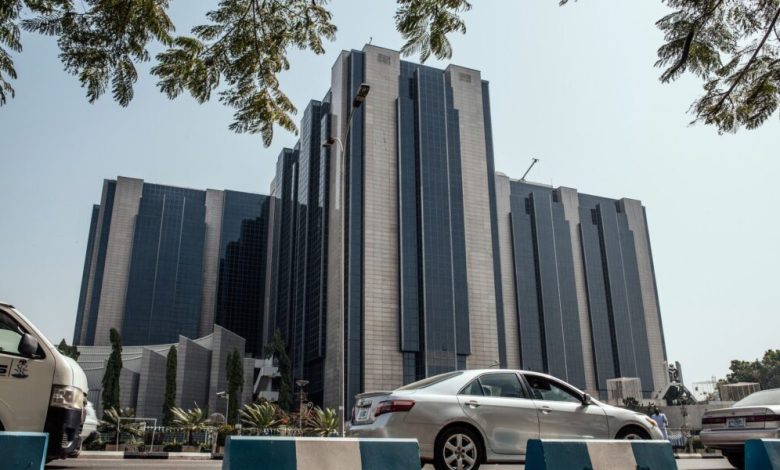
The Central Bank of Nigeria (CBN) has directed deposit money banks to adopt automated anti-money laundering monitoring systems within the next 18 months as part of a broader regulatory effort to strengthen oversight of financial transactions across the country’s banking sector.
The directive forms part of a new compliance framework designed to enhance the detection of illicit financial activities and reinforce Nigeria’s financial crime prevention architecture.
Under the new guideline issued by the apex bank, commercial banks are required to transition to technology-based monitoring platforms capable of automatically analysing large volumes of financial transactions and identifying patterns that may suggest illegal activity.
The regulator said the move is intended to improve the effectiveness of anti-money laundering enforcement while aligning Nigeria’s financial system with global compliance standards.
Financial institutions will be required to deploy systems capable of conducting continuous transaction monitoring, flagging irregular transaction patterns and generating alerts for further compliance investigation.
The Central Bank also extended the requirement beyond traditional banking institutions. Fintech companies, mobile money operators, payment service providers and other licensed financial institutions are also expected to implement automated anti-money laundering monitoring platforms, although they have been given a longer compliance window of 24 months.
According to the regulator, the expansion of Nigeria’s digital financial ecosystem has significantly increased the volume and complexity of financial transactions processed across banks and payment platforms.
With millions of transactions occurring daily across banking applications, mobile payment platforms and electronic transfer systems, regulators believe automated monitoring technology is necessary to maintain effective oversight of the financial system.
The apex bank noted that traditional manual compliance processes are no longer sufficient to effectively track modern financial activities, particularly as digital banking adoption continues to accelerate across the country.
As part of the implementation process, affected financial institutions must submit detailed rollout plans within three months of the directive to the Central Bank’s compliance unit.
The implementation plans are expected to outline the systems each institution intends to deploy, including monitoring infrastructure, data management capabilities and internal compliance structures designed to support the automated frameworks.
Anti-money laundering systems typically use advanced analytics tools and algorithm-driven monitoring models to review transaction flows in real time. These systems are designed to detect anomalies such as unusually large transfers, rapid transaction cycles, suspicious cross-border movements or patterns consistent with money laundering and terrorism financing activities.
When unusual patterns are detected, the systems generate alerts that compliance teams can review and investigate further.
Regulators believe that deploying automated monitoring infrastructure across the banking and fintech ecosystem will significantly enhance the ability of authorities to identify suspicious financial activities quickly and prevent the misuse of the financial system.
The directive also reflects the Central Bank’s broader push to strengthen regulatory supervision in response to the rapid growth of Nigeria’s fintech industry and digital payment networks.