Africa’s energy market is undergoing a major shift as rising geopolitical tensions in the Middle East force countries to rethink their fuel supply chains, positioning the Dangote Refinery as a critical alternative for the continent.
The ongoing conflict involving Iran has disrupted global oil flows, particularly through key transit routes such as the Strait of Hormuz, which accounts for a significant share of global crude supply.
The disruption has triggered a sharp increase in oil prices and tightened the availability of refined petroleum products worldwide.
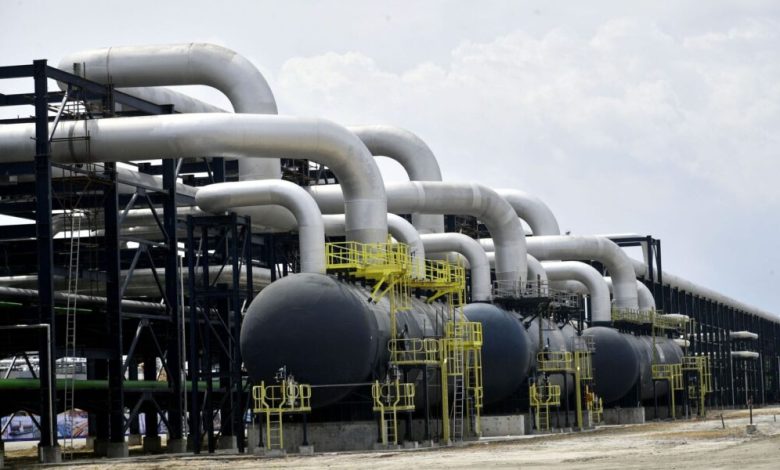
As a result, African nations that have historically depended on fuel imports from the Persian Gulf are now scrambling to secure alternative supply sources. This shift has led to a surge in demand for products from the Dangote Refinery, Africa’s largest oil refining facility with a capacity of 650,000 barrels per day.
Recent reports indicate that several African countries, including South Africa, Kenya and Ghana, are actively exploring supply agreements with the refinery to mitigate potential shortages.
The refinery is witnessing increased inquiries and negotiations as governments and energy firms move quickly to secure stable fuel supplies amid growing uncertainty.
The supply shock has been intensified by the broader impact of the Iran war on global energy infrastructure. Attacks and threats to oil facilities across the Middle East have heightened fears of prolonged disruption, pushing oil prices toward critical levels and raising inflation concerns globally.
For Africa, the implications are significant. Many countries lack sufficient domestic refining capacity and rely heavily on imported refined fuel. This structural dependence has made them particularly vulnerable to external shocks, forcing urgent policy responses and contingency planning.
In this context, the Dangote Refinery has emerged as a strategic asset not just for Nigeria but for the entire continent.
The $20 billion project, which began operations in 2024 after years of delays, is designed to meet Nigeria’s domestic fuel demand while exporting surplus products to regional markets.
Industry data shows that domestic demand in Nigeria alone can absorb a significant portion of the refinery’s output, leaving limited volumes available for export.
However, the current supply crisis has elevated the refinery’s importance, as African countries compete to secure available fuel volumes.
The surge in demand is expected to strengthen the refinery’s market position and revenue outlook. Analysts note that in the current environment, access to fuel is becoming more critical than pricing, with supply security taking priority over cost considerations.
Governments across Africa are already implementing measures to manage the crisis. Some are prioritizing fuel allocation for essential services such as public transportation, while others are encouraging conservation and building strategic reserves to cushion the impact of prolonged shortages.
Despite its growing influence, the Dangote Refinery alone cannot fully offset the continent’s fuel deficit. Africa’s fuel demand continues to rise, driven by population growth, industrial activity and increased energy consumption.
As such, the current crisis underscores the need for broader investment in refining infrastructure across the region.
Nonetheless, the refinery represents a turning point in Africa’s energy landscape. For decades, Nigeria exported crude oil only to import refined products at higher costs.
The emergence of a large-scale domestic refining capacity is gradually reversing this trend, reducing dependence on foreign refineries and improving energy security.
The ongoing Iran conflict has accelerated this transition, highlighting the strategic importance of local refining capacity. As global energy markets remain volatile, the Dangote Refinery is increasingly positioned as a key supplier in Africa’s evolving fuel ecosystem.
With demand continuing to rise and geopolitical risks showing no immediate signs of easing, the refinery is set to play a central role in shaping Africa’s energy future in the months ahead.