Rising diesel prices are increasing operational pressure on Nigerian businesses as the cost of self-generated electricity continues to climb across key sectors of the economy.
Many companies across Nigeria rely heavily on diesel-powered generators to sustain daily operations due to persistent electricity supply challenges.
As diesel prices trend upward, the financial burden of maintaining uninterrupted power supply is becoming more significant for businesses operating in manufacturing, retail, hospitality and logistics.
Energy costs remain one of the most critical factors affecting production and service delivery in the country. With limited access to stable grid electricity, thousands of small and medium-sized enterprises depend on generators to power equipment, refrigeration systems, lighting and other operational needs.
Industry analysts note that rising diesel costs directly translate into higher production expenses for businesses. Companies that rely on generators for long hours each day often consume large volumes of diesel fuel, meaning any increase in price quickly raises operational expenditure.
For manufacturers, higher diesel prices can significantly increase the cost of running heavy machinery and industrial equipment. These costs may eventually be reflected in the prices of finished goods as businesses attempt to maintain profit margins.
Retail businesses and service providers are also affected, particularly those operating in commercial districts where electricity supply is inconsistent.
Restaurants, supermarkets and hotels typically operate generators for extended periods, making them highly sensitive to changes in diesel prices.
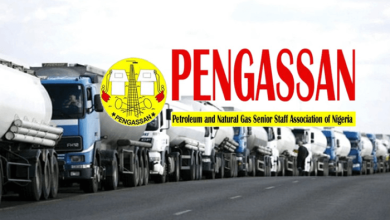
Transportation and logistics companies face similar challenges as diesel is also widely used to power heavy-duty vehicles involved in cargo movement and supply chain operations. Rising fuel costs can increase freight charges and affect the distribution of goods across the country.
Energy market observers say the current price trend is influenced by developments in the global energy market as well as domestic supply conditions. Fluctuations in crude oil prices, refining capacity and distribution logistics can all affect diesel availability and pricing within Nigeria.
The country’s dependence on imported refined petroleum products has historically exposed the domestic market to global price volatility. Although the commencement of local refining operations is expected to improve supply dynamics over time, the market continues to respond to broader international energy trends.
For businesses operating in Nigeria, energy expenditure has become a major component of operational planning. Many companies now allocate substantial portions of their budgets to fuel purchases in order to guarantee consistent power supply.
Small businesses are particularly vulnerable to rising diesel prices because they often operate with tighter profit margins and limited financial buffers. Sustained increases in fuel costs could force some enterprises to reduce operating hours, adjust pricing structures or scale back expansion plans.
Economists warn that widespread increases in energy costs may have broader implications for the economy. Higher operating expenses can lead to increased prices for goods and services, potentially contributing to inflationary pressure.
At the same time, businesses may slow investment or hiring decisions if operating costs remain elevated for prolonged periods.
Energy analysts suggest that improving electricity generation and transmission infrastructure remains essential to reducing reliance on diesel generators.
Greater stability in the national grid would allow businesses to shift away from expensive self-generation and improve overall productivity.
Until significant improvements are achieved in the power sector, diesel-powered generators are likely to remain a key source of electricity for many Nigerian businesses.
As diesel prices continue to fluctuate, companies across multiple sectors will need to adapt their operational strategies to manage rising energy costs while maintaining competitiveness in an increasingly challenging economic environment.