Farmers Face Uncertainties As Fertiliser Prices Surge Amid US-Israeli War On Iran

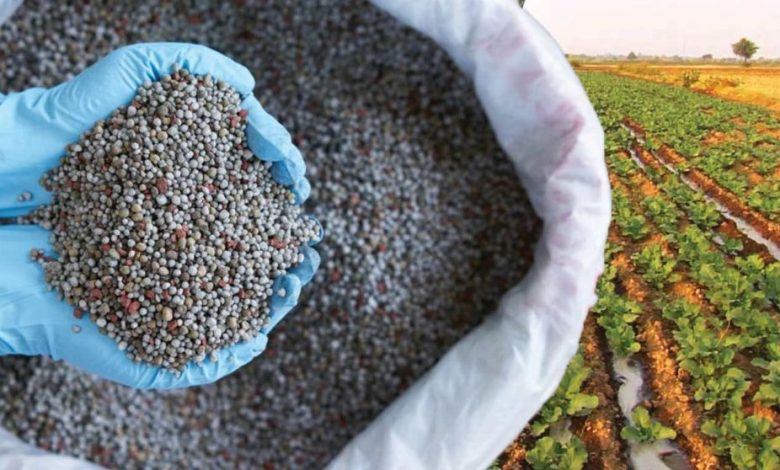
American farmers are grappling with rising fertiliser costs and mounting economic pressure as the US-Israeli war on Iran disrupts global supply chains ahead of the planting season.
Papers News reports that the conflict has intensified trade disruptions and pushed fertiliser prices higher, compounding an already difficult year for farmers who are dealing with low crop prices and rising production costs.
According to AFP, a farmer in Illinois, Jim Martin, who grows soybeans, corn and other crops, described the situation as deeply troubling for producers.
Fertiliser and other input costs, he said, were “everybody’s nightmare right now.”
Although Martin considers himself fortunate to have already secured fertiliser supplies for the current planting season, he noted that prices remain extremely high.
“They’re still the highest that they’ve been in years,” he told AFP.
The surge in fertiliser costs has been linked to disruptions in global shipping routes, particularly the Strait of Hormuz.
According to analytics firm Kpler, about 33 per cent of the world’s fertilisers pass through the strategic waterway.
However, maritime traffic there has largely halted since the war began, with missiles reportedly flying across the Strait and threatening shipping lanes.
The conflict erupted after US-Israeli strikes targeted Iran on February 28, triggering a wider regional crisis.
The United States depends significantly on imported fertilisers, increasing the impact of the disruption on domestic agriculture.
Veronica Nigh, chief economist at The Fertiliser Institute, said roughly 35 per cent of fertiliser used in the United States is imported.
She noted that supplies include phosphorus and nitrogen products sourced from the Middle East.
Nigh said the cost of urea, a widely used nitrogen fertiliser, jumped nearly 30 per cent per short ton between the week of February 27 and the week of March 6.
The rising costs have triggered warnings from agricultural organisations about potential risks to food production.
American Farm Bureau Federation President Zippy Duvall cautioned that the disruption could threaten crop output if supplies are not prioritised.
“Without strategically prioritising the delivery of critical farm inputs such as urea, ammonia, nitrogen, phosphate, and sulfur-based products, the US risks a shortfall in crops,” Duvall said in a letter to US President Donald Trump.
He warned that a production shock could ripple through the broader economy.
Such a development, he noted, could trigger inflation across the United States.
While many producers secured fertiliser supplies earlier in the year, others delayed purchases due to high prices.
An economist with the American Soybean Association, Jacquie Holland, said the strategy has exposed some farmers to the recent surge.
“Most producers would have already acquired a lot of their fertiliser supplies for the year,” she told AFP.
“But because prices have been so high, we saw a lot of producers this year wait till the last minute to book those supplies.”
Those farmers, she said, are now bearing the brunt of soaring costs.
Growing Financial Pressure
For farmers like Aaron Lehman of Iowa, who grows corn, soybeans and oats, the situation has created growing concern about the future.
He said the fertiliser problem is only one part of a broader financial strain facing producers.
Other expenses, including pesticides, seeds and healthcare, have also increased significantly.
“Farmers are under a tremendous amount of economic stress,” Lehman said.
He noted that farm bankruptcies are rising and that many farmers are increasingly relying on loans to stay afloat.
Last year, US President Donald Trump announced $12 billion in one-time payments to help farmers struggling with lower crop prices, trade uncertainty and other economic challenges.
However, Lehman said the assistance has not been enough to offset current pressures.
“People are extremely worried just because there’s so much uncertainty” about how long the Middle East war will continue, he said.
“To be honest, it’s not something that we feel adequately prepared for.”
Experts warn that the fertiliser price surge could directly affect crop production if farmers scale back on usage. Nigh estimated that roughly 50 per cent of agricultural production can be attributed to fertiliser use.
If farmers reduce fertiliser applications to cut costs, crop yields could decline, leading to lower output and reduced revenue for already struggling producers.
Some farmers may also adjust their planting decisions by shifting to crops that require less fertiliser. Martin said that while his planting plans for the year are already set, future adjustments may become necessary.
“My planning is already done for the year, but there might be a change to more soybean acres,” he said.
Soybeans typically require less fertiliser than corn, making them a more economical option under current conditions. Still, Martin noted that the problem extends beyond fertiliser prices alone.
Crop prices, he said, have also remained near multi-year lows. “It’s kind of a double-whammy,” Martin expressed.
Meanwhile, Iran has threatened to confiscate property and impose legal penalties on Iranians living abroad who express support for the United States and Israel following the killing of Supreme Leader Ayatollah Ali Khamenei.
The Iranian prosecutor general’s office issued the warning Monday as members of the Iranian diaspora celebrated Khamenei’s death in European and American cities.
Iran named Mojtaba Khamenei to succeed his father on Monday.
“A warning has been issued to those Iranians living abroad who in different ways sympathise, support or cooperate with the American-Zionist (Israeli) enemy. They will be met with the confiscation of all their properties and other legal penalties in accordance with the law,” state media quoted the prosecutor general’s office as saying.
Papers News gathered that a newly created Telegram channels have begun sharing personal details of prominent Iranians living abroad who posted comments critical of Iran’s clerical authorities and supportive of the US-Israeli military campaign that began on February 28.
Iranian diaspora members who want political change in Tehran took to the streets of European and American cities to celebrate Khamenei’s killing in the ongoing US-Israeli war against Iran.
Between 5 million and 10 million Iranians live abroad, with the majority residing in the United States and Western Europe, according to Iranian government data and media reports.
The threat of property seizure represents Tehran’s attempt to silence criticism from Iranian expatriates who have fled the country and now live in nations where freedom of expression protects political speech.
Although the Iranian authorities have previously targeted diaspora members through online harassment campaigns and by pressuring family members still living in Iran, the property confiscation warning marks an escalation in Tehran’s efforts to control political discourse among citizens abroad.