Global Economy Under Pressure as Middle East Conflict Drives Energy and Commodity Volatility

The ongoing escalation of hostilities between Iran, Israel and the United States has rapidly shifted from a regional security issue into a major economic event with wide-ranging effects on global markets, inflation outlooks, commodity prices, and investor behaviour.
Energy Markets: Supply Shock Risks and Price Surges
Oil markets, the epicenter of the current economic impact, have reacted sharply to the conflict:
Brent crude surged up to 13% to around $82 per barrel, reaching multi-month highs following coordinated strikes and the effective slowdown of tanker traffic through the Strait of Hormuz, one of the world’s most critical oil transit chokepoints.
Analysts warn that prices could approach or exceed $90 per barrel if disruptions persist, particularly if shipping through the strait, which carries nearly a fifth of global oil supplies, remains constrained.
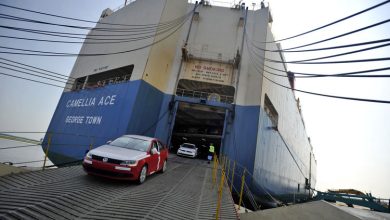
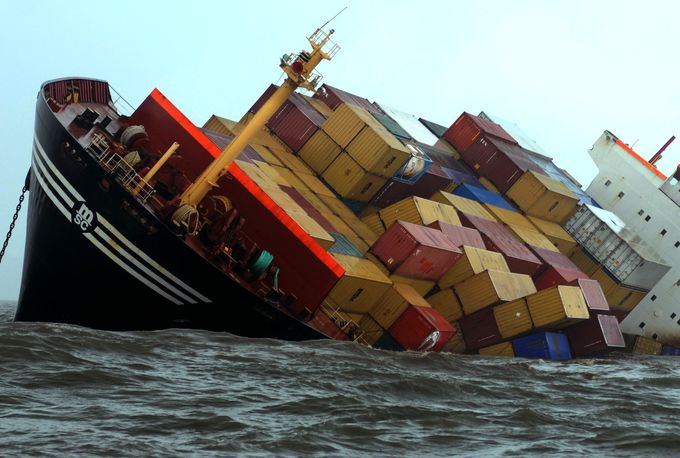
The disruption of this key maritime route has already cut significant volumes of supply and forced reroutes around longer and costlier passages such as around Africa’s Cape of Good Hope, increasing freight costs and delivery times.
Higher energy prices add direct inflationary pressure to economies worldwide, especially oil-importing nations, raising costs for transport, manufacturing and consumer fuels. A surge to above $100 a barrel would likely intensify cost-of-living pressures and could slow global economic growth.
Gold and Safe-Haven Assets Rally
As geopolitical risk spikes, safe-haven demand for gold and other defensive assets has intensified:
Gold prices climbed strongly, with spot prices rising roughly 1.7–2.5%, reflecting investor flight to safety amid uncertainty in risk markets.
In some markets, gold surged substantially, such as on Indian commodity exchanges where prices jumped about 4%, highlighting broad overseas demand.
Gold’s gains underscore its role as a hedge in periods of geopolitical and market stress, especially as equities and risk assets face downward pressure.
Financial Markets: Stocks Slide as Risk Aversion Grows
Equity markets have shown clear signs of distress:
Major indices in Europe and Asia, including the Stoxx Europe 600, Japan’s Topix and the Hong Kong Hang Seng, declined between 1.4% and 1.5% in early trading as investor risk appetite waned.
Futures for U.S. equity benchmarks indicated weaker openings, reflecting global risk-off sentiment.
This broad sell-off is driven by fears of higher inflation, disrupted corporate earnings and elevated macroeconomic uncertainty tied to energy cost surges and supply chain disruptions.
Broader Commodity Markets: Ripple Effects Beyond Oil and Gold
The war’s impact extends into other commodity markets beyond energy and precious metals:
Global shipping disruptions and increased war-risk insurance premiums have pushed up freight and logistics costs, affecting trade in agricultural and industrial commodities.
Rising oil prices feed into higher costs for petroleum-based raw materials such as plastics and textiles, threatening input cost inflation for manufacturers worldwide.
Some agricultural commodity markets, particularly those dependent on Middle East logistics, could face supply chain challenges, although the most dramatic price moves remain in energy and metals.
Inflation and Economic Growth Risks
Economists warn that the conflict could translate into a form of “tax on households,” where higher fuel costs and broader commodity price increases erode real incomes:
In advanced economies, elevated petrol and diesel prices translate into higher transportation and goods costs, contributing to broader inflation pressures.
If oil prices remain near or above $90 and $100 per barrel, inflation could be further entrenched, compelling central banks to balance price stability against slowing growth.
Even without a full closure of the Strait of Hormuz, risk premiums embedded in energy prices are likely to persist, sustaining elevated cost pressures for consumers and businesses alike.
Investor Behaviour and Monetary Signals
In financial markets, the conflict has triggered a classic risk-off rotation:
Investors have shifted capital into safe-haven assets such as gold, U.S. Treasuries and the U.S. dollar, which have strengthened amid market volatility.
Higher energy prices and inflation expectations could influence central bank policy decisions later in the year, particularly if inflation proves sticky.
Investors King Note
The Iran–Israel–U.S. conflict’s effects are amplifying across the global economy by:
Spiking energy costs that raise inflationary pressures worldwide
Boosting safe-haven assets like gold and the dollar
Weakening risk assets including equities and commodities linked to economic growth
Increasing trade and shipping costs that affect goods markets far beyond the Middle East
The ultimate economic impact will depend on the conflict’s duration and severity. Prolonged disruptions to oil flows or wider regional escalation could deepen cost pressures, alter growth forecasts and further shift investor behaviour toward defensive assets.