Gold prices declined on Monday as surging oil prices, a stronger U.S. dollar, and shifting monetary policy expectations triggered a broad sell-off across the precious metals market.
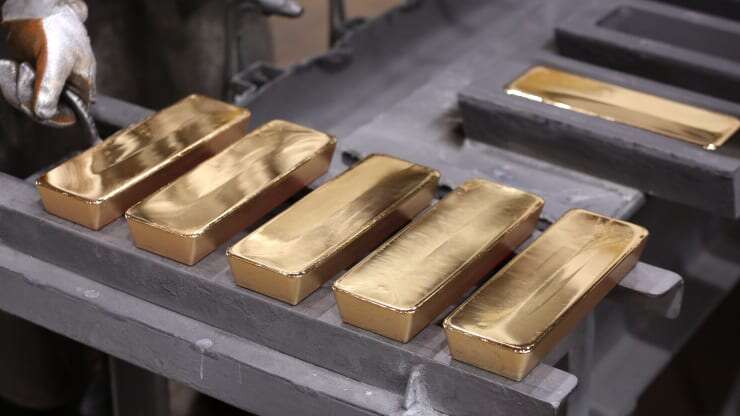
Spot gold dropped to a four-month low to trade within the $4,100 to $4,200 per ounce range, one of its steepest single-session declines in recent years.
The downturn reflects a sharp reversal from earlier gains recorded at the start of the year when bullion approached record highs above $5,500 per ounce.
Market analysts attributed the decline primarily to rising crude oil prices, which have surged above $110 per barrel amid escalating geopolitical tensions in the Middle East.
The spike in oil prices has intensified global inflation concerns, prompting investors to reassess expectations around interest rate movements.
Higher inflation expectations typically lead to tighter monetary policy, reducing the appeal of non-yielding assets such as gold. Investors are now increasingly pricing in the possibility of interest rate hikes rather than cuts, a shift that has weighed heavily on bullion prices.
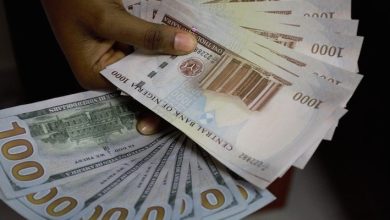
The U.S. dollar also strengthened during the session as global investors moved toward safer, liquid assets amid heightened uncertainty.
A stronger dollar makes gold more expensive for holders of other currencies, further dampening demand.
U.S. Treasury yields climbed alongside the dollar, adding to the downward pressure on gold. Rising yields increase the opportunity cost of holding gold, which does not offer any interest or dividend, making it less attractive compared to income-generating assets.
Despite ongoing geopolitical tensions, gold has failed to sustain its traditional role as a safe-haven asset in the current environment.
Instead, investors appear to be prioritising liquidity and yield, shifting funds into cash and dollar-denominated assets.
The sell-off in gold extended to other precious metals, with silver, platinum and palladium also recording notable declines. Mining stocks followed suit.
Analysts noted that the current market dynamics represent an unusual pattern where geopolitical risk, typically supportive of gold prices, is being overshadowed by macroeconomic factors such as interest rates and currency strength.
The shift underscores a broader recalibration in global financial markets, where inflation concerns and central bank policy expectations are now the dominant drivers of asset pricing.
Looking ahead, market participants are expected to closely monitor developments in the Middle East, movements in oil prices and signals from major central banks regarding their policy stance.
Any further escalation in geopolitical tensions could introduce additional volatility, although its impact on gold may remain limited if interest rate expectations continue to trend higher.
While the short-term outlook for gold appears bearish, some analysts maintain that the longer-term trajectory will depend on how inflation evolves and whether central banks eventually pivot toward easing policies.