The Federal Government says Nigeria is strengthening domestic health financing and systems to sustain immunisation and primary healthcare services as Gavi, the Vaccine Alliance, gradually transitions out of the country.
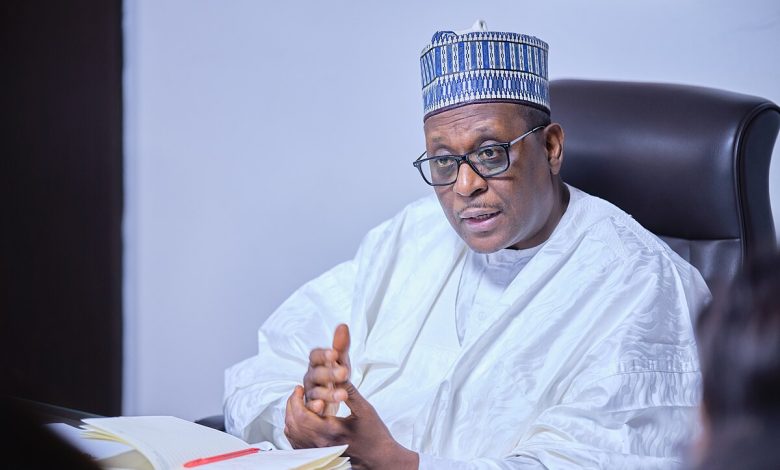
Prof. Muhammad Ali Pate, Coordinating Minister of Health and Social Welfare, said this on Thursday in Abuja during handover of the Gavi, and UNICEF Primary Health Care, PHC, Solarisation Project to the Federal Government.
The initiative, organised by the National Primary Health Care Development Agency, involves 371 solarised PHCs across 17 states.
Mr Pate said the project would improve access to essential services in off-grid communities, enhance vaccine cold chain management, and ensure uninterrupted healthcare delivery at PHCs nationwide.
“The foundations of a resilient health system have been laid and are being strengthened through domestic resource mobilisation by both the Federal Government and states, complemented by development partners,” he said.
He noted that partnerships between the government and global health organisations have helped improve immunisation coverage and primary healthcare services, with more than 47 million visits recorded at PHCs.
He highlighted that Nigeria had conducted one of the largest integrated vaccination campaigns in Africa, targeting over 100 million children with measles, rubella, and other interventions, supported by more than 100 million dollars from Gavi.
On the supply of the HPV vaccine, the minister said an upcoming shipment would address shortages in some states, stressing that stockouts were not unique to Nigeria but reflected global demand for the vaccine.
He commended the leadership of the Coordinating Minister of Health and Social Welfare for meeting Nigeria’s vaccine co-financing obligations in 2024, which allowed the procurement of life-saving vaccines.
He also noted that while coverage of the DTP3 vaccine had improved significantly since 2001, more work remained to ensure that every child received essential immunisations.
He stressed that sustaining these gains would require increased investment in health by all levels of government and households.
“Healthcare is not cheap; it is an investment. When governments invest and partners complement those investments, the system becomes sustainable,” he said.
The minister commended development partners, including UNICEF and the World Health Organization for supporting Nigeria where domestic resources were limited, and expressed confidence that continued reforms would enable the country to fully assume responsibility for financing its health programmes.
He said the handover of the solarised PHCs would strengthen service delivery in underserved communities and improve vaccine cold chain management, further contributing to a more resilient and self-sufficient health system.
NAN