Escalating hostilities between Iran, Israel and the United States have widened across the Middle East, triggering sharp movements in oil, gold, currency and equity markets as investors reposition for potential supply shocks and prolonged geopolitical instability.
Brent crude rose above $82 per barrel, gaining roughly 10–13 percent from recent levels amid concerns that disruptions in the Strait of Hormuz could tighten global oil supply.
The waterway handles nearly 20 percent of global oil trade, making it a critical chokepoint for energy markets.
Analysts warn that sustained disruption could push crude toward the $90–$100 per barrel range, intensifying inflationary pressures globally.
Gold rallied strongly on renewed safe-haven demand. Spot gold climbed 1.88 percent to $5,376.44 per ounce, while U.S. gold futures advanced 2.7 percent to $5,389.20.
The metal has surged approximately 64 percent in 2025, supported by geopolitical risk, central bank purchases and expectations of monetary easing.
Other precious metals followed suit. Silver rose 1.3 percent to $95 per ounce, platinum gained 0.8 percent to $2,383.50, and palladium jumped 2.3 percent to $1,826.59.
Currency markets reflected risk aversion, with the U.S. Dollar Index rising 0.27 percent, reinforcing safe-haven flows into dollar-denominated assets.
A stronger dollar typically weighs on commodities, but geopolitical risk premiums have outweighed currency pressure in recent sessions.
Equity markets weakened as investors trimmed exposure to risk assets. Major European indices declined between 1.4 percent and 1.5 percent, while futures for U.S. benchmarks pointed lower amid concerns over rising energy costs and supply-chain disruptions.
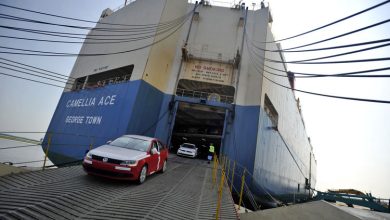
Beyond financial markets, the conflict has disrupted air travel and increased maritime insurance premiums, raising freight costs and delivery timelines for global trade.
The broader economic implications are significant. Higher oil prices translate directly into increased transportation and production costs, raising inflation risks in both advanced and emerging economies. Central banks may face renewed pressure to balance inflation control against slowing growth.
For oil-exporting countries, elevated crude prices could strengthen fiscal revenues and foreign exchange inflows if sustained.
However, prolonged instability could undermine investor confidence and heighten global recession risks.
Market participants are closely monitoring developments in the Strait of Hormuz, further military escalation and policy responses from major economies.
Until clarity emerges, volatility is expected to remain elevated across energy, metals and currency markets as investors price in a widening geopolitical risk premium.