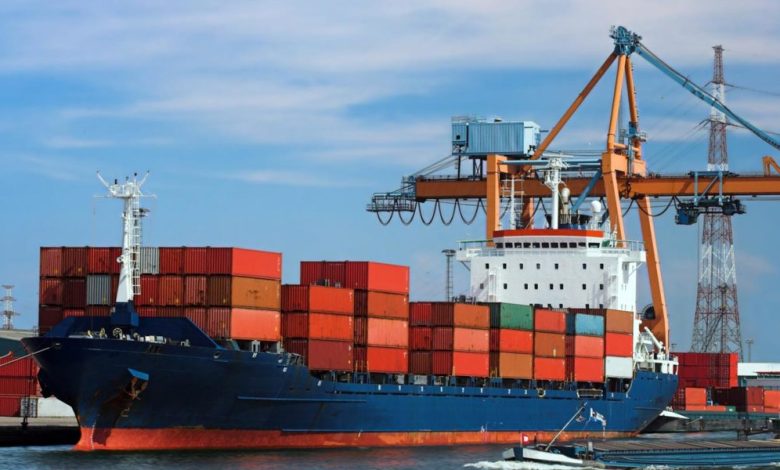
Mediterranean Shipping Company (MSC), one of the world’s largest container shipping firms, has signed a 45-year concession agreement with Nigerdock to develop and operate a new container terminal at Snake Island Port in Lagos.
The long-term agreement is expected to strengthen Nigeria’s maritime infrastructure and improve the efficiency of cargo handling at the country’s busiest commercial hub.
According to details of the arrangement, the project forms part of a broader investment plan valued at approximately $1 billion aimed at expanding port capacity and improving logistics operations within Nigeria’s maritime sector.
The proposed terminal will cover about 30 hectares and include a 910-meter quay designed to accommodate deep-sea vessels as well as barges serving regional and inland markets.
Industry analysts say the project could play a significant role in addressing long-standing congestion challenges at Lagos ports, particularly at the Apapa and Tin Can Island terminals, which handle a large share of Nigeria’s containerized cargo.
By expanding port infrastructure at Snake Island, the development is expected to create additional capacity for vessel operations and cargo throughput, potentially easing pressure on existing facilities.
The terminal project also aligns with Nigeria’s broader objective of modernizing port infrastructure and improving efficiency across the country’s maritime logistics network.
Maritime experts note that increased private sector participation in port infrastructure has been critical to driving investment and improving operational performance within the industry.
MSC’s involvement brings global expertise in container shipping and terminal operations, which could support the development of a modern facility capable of handling larger vessels and increasing cargo movement efficiency.
Nigerdock, a major maritime and logistics services provider operating at Snake Island, is expected to play a key role in facilitating the development of the terminal under the partnership.
The collaboration between MSC and Nigerdock is seen as a strategic move to position Snake Island Port as a competitive logistics hub capable of serving Nigeria’s growing trade volumes and regional shipping needs.
The facility is expected to support both international shipping operations and domestic barge movements, providing improved connectivity within Nigeria’s coastal and inland water transport systems.
Nigeria remains one of the largest import-dependent markets in Africa, with Lagos serving as the country’s primary gateway for maritime trade.
As cargo volumes continue to rise alongside population growth and economic activity, investments in port infrastructure have become increasingly necessary to maintain efficient trade flows and reduce logistics bottlenecks.
Analysts say the Snake Island container terminal project could contribute to improved turnaround times for vessels and more efficient cargo handling once completed.
The development could also stimulate additional economic activity within Nigeria’s maritime sector by creating employment opportunities and supporting related logistics services.
In recent years, Nigeria has sought to attract greater private investment into critical infrastructure, including ports, roads and rail networks, as part of efforts to enhance trade competitiveness and support economic growth.
The MSC-Nigerdock partnership represents one of the latest examples of international shipping operators expanding their presence within the Nigerian maritime industry.
Market observers say the success of the project could encourage further investment into port development and logistics infrastructure across the country.
With a concession period extending over four decades, the agreement provides long-term certainty for infrastructure development while allowing the partners to implement modern container handling technologies and operational systems.
The new container terminal is expected to strengthen Lagos’ position as a key maritime gateway for West Africa while supporting Nigeria’s ambitions to improve port efficiency and trade logistics in the years ahead.