Nigeria Electricity Crisis Deepens as Experts Warn Trillion-Dollar Economy Dream Hangs in the Balance

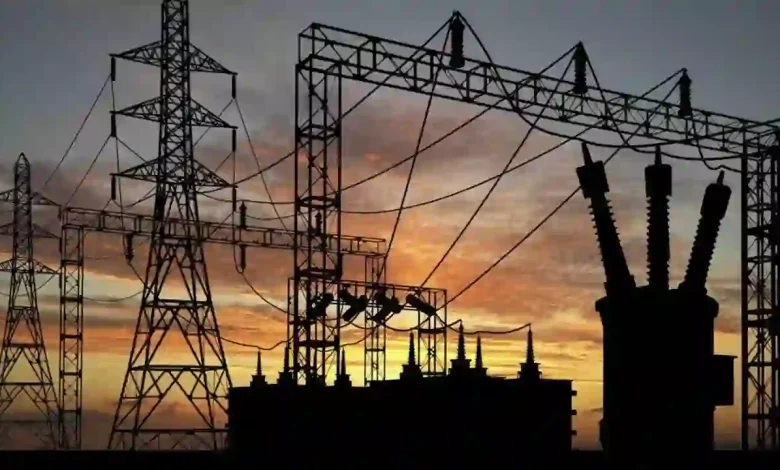
Nigeria’s electricity generation has plummeted to dangerously low levels, raising serious concerns about the country’s ability to sustain economic growth and industrial development.
As of the early hours of March 5, 2026, total electricity generation on the national grid stood at just 3,940.53 megawatts — already below expected capacity due to persistent gas supply constraints affecting several thermal power stations. The situation then deteriorated further throughout the morning.
Between 6:00 AM and 8:00 AM, multiple generating units were shut down after gas supply to the plants became insufficient, resulting in a cumulative reduction of approximately 292MW in available generation on the grid.
The root cause is a severe fuel shortage. Thermal power plants across the country require about 1,588.61 million standard cubic feet (MMSCF) of gas per day to operate at optimal capacity. However, actual gas supply to the plants was only 652.92 MMSCF — representing roughly 40 percent of the required volume for optimal power generation.
Out of Nigeria’s total installed generation capacity of around 13,000MW, just about 4,000MW actually reaches end users. This is a staggering underperformance for Africa’s largest economy and most populous nation.
The consequences for businesses and manufacturers are devastating. Factories halt production mid-shift when power fails, raising unit costs and disrupting supply chains. Hospitals rely on diesel to keep equipment running. Cold storage failures compromise food and pharmaceuticals. Small businesses divert capital from growth to fuel.
Nigerians reportedly spend up to ₦10 trillion annually on fuel for generators — a costly “shadow grid” that accounts for between 14 and 20 gigawatts of power, which is dirtier, costlier, and wildly inefficient.
Economists are sounding the alarm about Nigeria’s industrial ambitions. The World Bank estimates that unreliable electricity costs Nigeria about $29 billion annually — roughly 2 percent of GDP — losses that exceed federal spending on health and education combined. Experts argue that it is impossible to industrialise a nation, let alone build a trillion-dollar economy, while generating less electricity than a small power plant in other countries.
With about 210 trillion cubic feet of gas reserves and abundant sunshine, Nigeria should be exporting electricity — not struggling to keep its lights on.
READ ALSO: