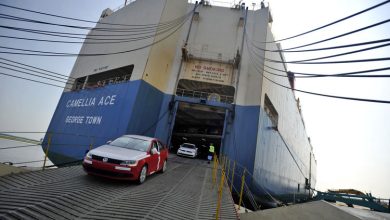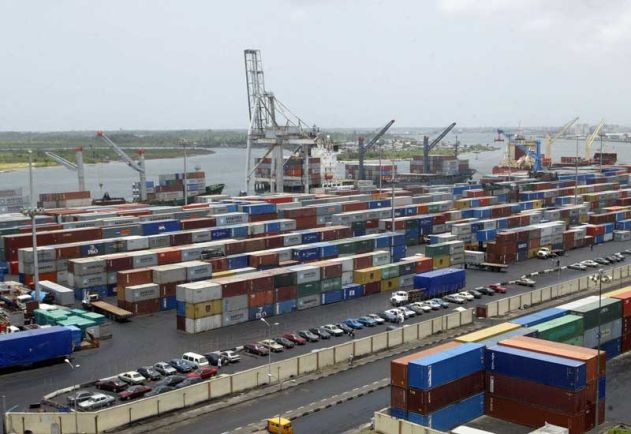
Nigeria has secured a £746 million financing agreement with the United Kingdom to overhaul critical port infrastructure in Lagos, a move expected to enhance cargo handling capacity, reduce congestion and improve overall trade efficiency.
The agreement targets the rehabilitation and modernisation of Apapa Port and Tin Can Island Port, two of Nigeria’s busiest and most commercially significant maritime gateways.
Both facilities have long faced operational challenges ranging from congestion and aging infrastructure to inefficiencies that have increased the cost of doing business for importers and exporters.
The financing package is supported by UK Export Finance, the United Kingdom’s export credit agency, while global financial services firm Citibank is coordinating the transaction.
The structure of the deal reflects a broader push to attract foreign-backed funding into Nigeria’s infrastructure sector, particularly in areas critical to economic productivity and trade facilitation.
Industry stakeholders say the upgrade is expected to significantly improve turnaround time for vessels, ease gridlock within port corridors and reduce demurrage costs that have weighed heavily on businesses operating through Lagos ports.
The improvements are also projected to strengthen Nigeria’s competitiveness within West Africa’s maritime ecosystem, where delays and inefficiencies have historically diverted cargo traffic to neighbouring countries.
The redevelopment effort comes at a time when Nigeria is seeking to reposition its logistics and trade infrastructure to support economic growth. With a large portion of the country’s imports and exports processed through Lagos, inefficiencies at Apapa and Tin Can Island ports have had a direct impact on supply chains, pricing and industrial productivity.
Analysts note that the intervention could have a ripple effect across multiple sectors, including manufacturing, agriculture and retail, by lowering logistics costs and improving access to raw materials and finished goods.
Faster clearance times and improved port operations are expected to reduce bottlenecks that have contributed to inflationary pressures in recent years.
The involvement of UK Export Finance underscores the strengthening economic relationship between Nigeria and the United Kingdom, particularly in infrastructure development.
For the UK, the deal supports its broader objective of promoting trade partnerships and facilitating the export of services and expertise tied to major infrastructure projects.
For Nigeria, the agreement represents a strategic step toward addressing long-standing structural weaknesses in its maritime sector.
Port congestion in Lagos has often resulted in extended delays for cargo clearance, with trucks spending days or even weeks navigating access roads.
The situation has increased operational costs for businesses and reduced the efficiency of the country’s trade network.
The planned upgrade is expected to include improvements in cargo handling systems, terminal operations and supporting infrastructure designed to streamline movement within and around the ports.
Enhanced operational capacity is also likely to support increased trade volumes as Nigeria’s economy expands and demand for imports and exports grows.
While the financing arrangement represents a significant milestone, the success of the project will depend on effective execution, regulatory coordination and sustained investment in complementary infrastructure such as road and rail networks connected to the ports.
Market observers also highlight the importance of institutional reforms to ensure that operational gains from the upgrade are not undermined by administrative bottlenecks or policy inconsistencies.
If successfully implemented, the redevelopment of Apapa and Tin Can Island ports could redefine Nigeria’s position as a regional trade hub, improving efficiency across its maritime value chain and supporting long-term economic stability.