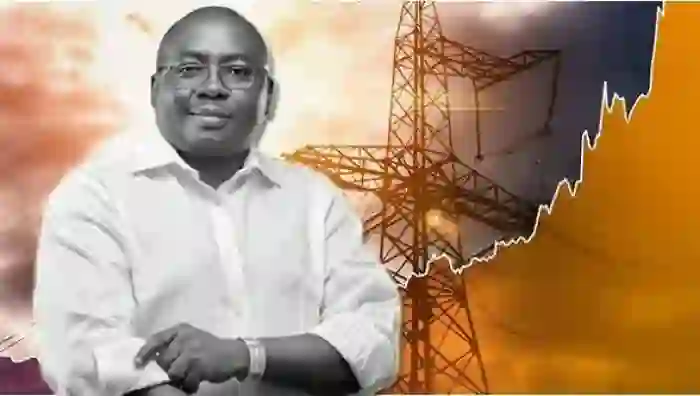
Across Nigeria, prolonged electricity outages are leaving households and businesses in darkness as residents grapple with soaring temperatures and unreliable power supply.
States including Kano, Kaduna, Sokoto, Enugu, Benue, Oyo, Akwa Ibom, Taraba, Lagos, and Ogun have reported sharp declines in electricity availability. Many households have abandoned reliance on the national grid, turning instead to generators and solar alternatives.
Residents Struggle Amid Heat
In Kano’s Unguwa Uku and Hotoro Dan Marke areas, electricity supply has dropped to barely one hour per day. Ahmad Ibrahim described the few hours of power as coming mostly late at night.
Sokoto residents face even stricter limits, with communities such as Mabera and Tamaje receiving less than one hour of electricity daily. Musa Abdullahi noted that the scarcity has been especially difficult during the Ramadan fasting period, forcing residents to rely on neighbors with solar power for basic needs like ice and cold water.
In areas designated under the Band A tariff—where consumers are supposed to receive at least 20 hours of electricity daily—residents report far less, highlighting widespread discrepancies between promised and actual supply.
Businesses Under Pressure
Small businesses are feeling the financial strain. In Enugu, residents in Emene pay premium tariffs but receive between four and ten hours of electricity daily. Chinedu Okafor questioned the fairness of paying high rates for limited supply.
In Nsukka, Amaka Nwosu’s business has suffered from rising generator costs, while in Makurdi, repeated outages forced the closure of a frozen food business due to inventory spoilage. Similarly, artisans and traders in Akwa Ibom, Oyo, and Kaduna states report disruptions that threaten livelihoods.
Structural Challenges Behind the Crisis
Energy experts point to chronic underinvestment, weak transmission infrastructure, and inadequate gas supply as the root causes of Nigeria’s power problems. Despite a generation capacity of over 12,000 megawatts, actual output often falls below 4,000 megawatts—far below the estimated 30,000 megawatts needed for economic growth.
The reliance on backup generators is extensive, with over 80 million households and businesses depending on petrol or diesel generators, creating a $10bn annual market.
Electricity distribution companies cite gas supply constraints as a key factor in the ongoing outages. The Kaduna Electricity Distribution Company confirmed that limited gas supply has forced increased load shedding across its franchise areas.
Solar Initiatives Amid the Crisis
In response, the Presidential Villa in Abuja is testing a large-scale solar power project to reduce dependence on the national grid. While still in technical testing, the initiative is part of a broader effort to cut rising fuel and generator costs, which have reached nearly N2bn annually since the 2023 fuel subsidy removal. The government has allocated N17bn to solarise the State House, ensuring uninterrupted power supply.
READ ALSO: