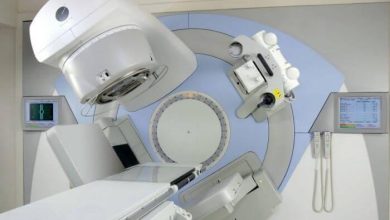
Nigeria’s health inflation surges on brain drain, high operating costs, import reliance

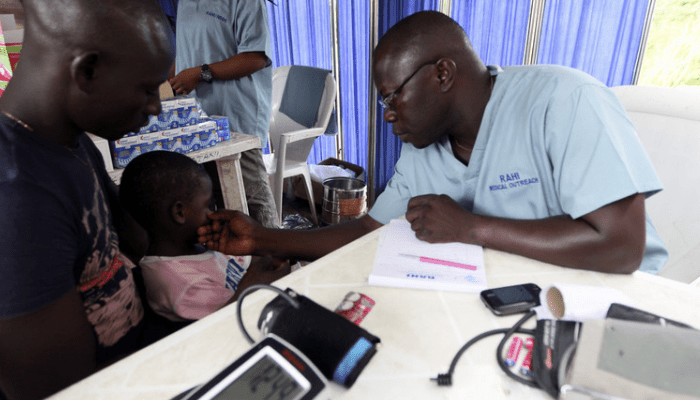
The cost of providing healthcare services in Nigeria has surged to unprecedented levels
High operating cost across health facilities, drug import costs, and persistent brain drain are keeping medical inflation high in Nigeria, even as overall headline inflation shows signs of easing.
The latest CPI data from the National Bureau of Statistics show that while Nigeria’s headline inflation slightly eased to 15.06%, in February 2026, health inflation rose to 28.62% in February 2026, up from 19.58% in February 2025 on a year-on-year basis.
Although recent reforms by the Bola Tinubu administration, such as tax waivers, have eased import pressures and improved profitability for pharmaceutical manufacturers, stakeholders say structural challenges continue to weigh significantly on the sector. As a result, the cost of healthcare continues to rise, intensifying the financial strain on households.
Andrew Chimezie, General Manager at DCL Laboratory Products, Abuja, said the persistence of medical inflation reflects a combination of structural supply shocks and defensive pricing behaviour across the healthcare value chain.
He pointed to the exit of major pharmaceutical companies, whose products are now largely import-driven and end-consumer priced as impacting ot healthcare cost especially as the country is yet to ramp up local production of such essential medicines.
According to him, their departure altered distribution models and shifted more products towards import-dependent channels.
Read also: Global health funding cuts threatening to reverse TB gains – WHO
Chimezie said the exits were also perceived as a risk signal by manufacturers and distributors, and in order to mitigate perceived risk, shorten payback periods and seek faster returns.
He also highlighted higher energy costs, and persistent brain drain in hospitals as driving cost of care.
“Many health workers have left in droves, leaving gaps. Hospitals are paying premiums to retain talent and close those gaps, which pushes up the cost of healthcare. Power supply is another major factor.Energy is a constant headache,” he said.
At the just concluded 2026 budget defence session with the House of Representatives. Pokop Bupwatda, secretary of the committee of chief medical directors(CMDs) again highlighted the severity and critical shortage of healthcare personnel as well as the increasing cost of attracting and retaining talent.
From primary healthcare centres to teaching hospitals, doctors, nurses, and specialists are leaving in droves. Over 15,000 nurses migrated to the UK in the last five years, while nearly 20,000 doctors exited the system between 2005 and 2024, according to the National Association of Resident Doctors. The result is that Nigeria now has just 2.9 doctors per 10,000 people, a fraction of the World Health Organization’s recommended 17 per 10,000.
Data obtained from the Medical and dental council of Nigeria (MDCAN), also showed that there are only 6137 specialists in Nigeria,out of which only 3475 work across hospitals, while 1105 left the country between 2021 and 2025.
Experts stressed that this peristsent emigration, among others continue to drive healthcare inflation. Data from platform analytics and the federal ministry of health showed that healthcare costs in Nigeria increased by an average of 15–20% annually over the past five years, outpacing both inflation and wage growth.
Between 2020 and 2025, the most significant cost increases have been in emergency care, which rose by an an avearge of 30% annually, and hospital admissions up by an average of 25% annually, driven by equipment and staff costs. Prescription medication costs increased by 22% annually, reflecting high import expenses; specialist consultations and diagnostic tests both rose by 15% annually, while outpatient consultations increased by 12%.
Lanre Shittu, chairman, HMA Medicals Limited also highlighted high operating cost and limited infrastructure in the sector.
Finhas Odey, CEO of Brighter Life Hospital Abuja, Finhas Odey, CEO of Brighter Life Hospital, Abuja, added that the importation of machines, certain diagnostics, and drugs, alongside high energy costs, continues to push up care expenses.
For him, the cost of importing equipment prices have risen significantly due to the exchange rate, which remains elevated compared with five years ago.
Nigeria still depends heavily on imported pharmaceuticals, with over 70% of finished drugs and active pharmaceutical ingredients sourced from abroad, leaving the sector highly exposed to foreign exchange volatility. Energy costs further compound operational pressures.
The Association of General and Private Medical Practitioners of Nigeria estimates that energy expenses alone now consume around 40% of operational costs, while the Federal Ministry of Health reports that public institutions spend between N20 million and N180 million per month on power, with energy accounting for up to 50% of operating expenses.