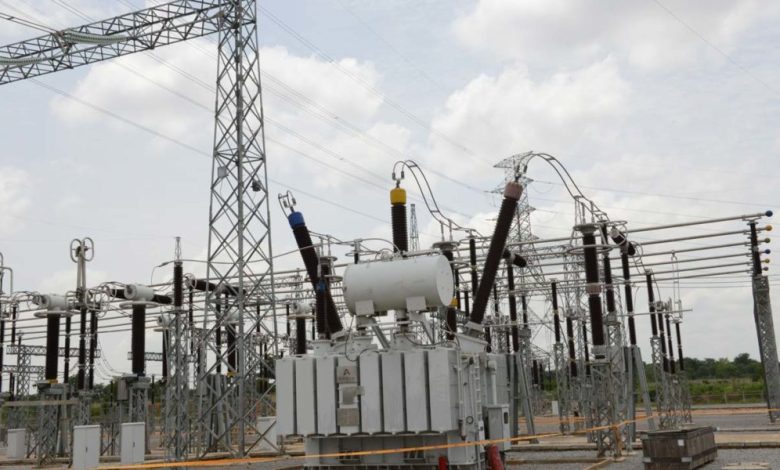
Nigeria’s power crisis worsened as several electricity generation companies shut down operations amid mounting debts estimated at about N6.8 trillion.
Data from the national grid showed that over 15 power plants were offline as operators struggled to fund gas supply and maintain critical infrastructure.
The shutdowns reflect persistent liquidity challenges that have weakened electricity generation despite installed capacity.
Generation companies are reportedly owed trillions of naira by market participants with debts accumulating over several years due to tariff shortfalls and poor remittances.
The situation has left many operators unable to meet operational costs, including gas procurement and equipment maintenance.
Gas supply has also been disrupted as power producers owe a significant portion of their obligations to gas suppliers. With thermal plants accounting for over 70 percent of Nigeria’s electricity generation, reduced gas availability has further constrained output across the grid.
Nigeria’s power generation has remained around 4,000 megawatts, far below the country’s estimated demand, even as capacity exists to produce more under stable conditions.
Analysts say the core issue is not infrastructure but a severe funding gap across the electricity value chain.
The financial strain has forced some operators to halt production entirely, while others continue to operate below capacity. Industry stakeholders warn that without urgent intervention, more plants could shut down, worsening supply shortages.
The crisis is expected to have broader economic implications, as unreliable electricity supply continues to increase operating costs for businesses and households.
Experts say resolving the sector’s liquidity crisis will require improved payment discipline, cost-reflective tariffs and targeted financial support to stabilise the power value chain and restore investor confidence.