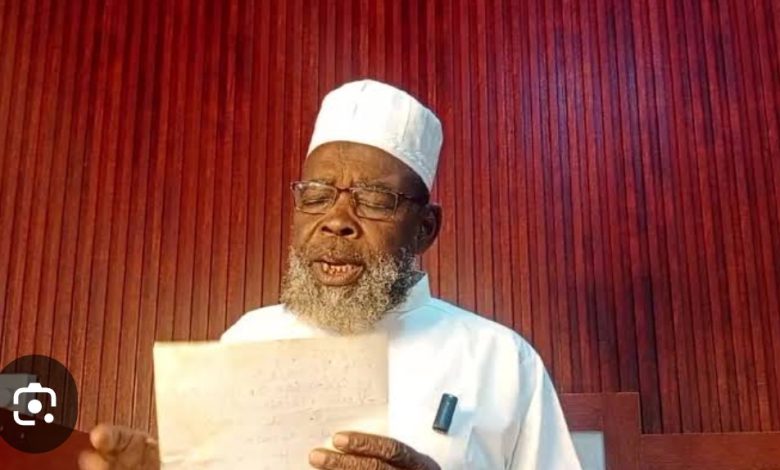
A Sokoto-based Islamic cleric, Sheikh Musa Lukuwa, has defied the directive of the Sa’ad Abubakar, leading Eid-el-Fitr prayers ahead of the officially declared date.
DAILY NIGERIAN reports that the Sultan of Sokoto, who is also President of the Nigerian Supreme Council for Islamic Affairs, had on Wednesday announced Friday as the date for the 2026 Eid-el-Fitr celebration after confirming that the crescent moon marking the beginning of Shawwal was not sighted anywhere in Nigeria.
Despite the announcement, Sheikh Lukuwa proceeded to observe the Eid prayers on Thursday at his mosque in Mabera area of Sokoto, leading his followers in the two-rakat congregational prayer.
The cleric had earlier addressed his congregation during a Ramadan Tafsir session shortly after the Sultan’s declaration, signalling his intention to depart from the official position.
Justifying his action, Sheikh Lukuwa cited reports of crescent moon sightings from neighbouring Niger Republic, which he said were relayed to him by trusted sources.
According to him, the geographical proximity of Niger Republic to Sokoto lends credibility to the reports and makes them religiously binding for his followers.
“Niger Republic is very close to us—about 100 kilometres away,” he said. “If we accept reports from cities like Kano or even Lagos, which are farther away, there is no reason to reject confirmed sightings from a neighbouring country.”
He maintained that his decision was rooted in adherence to Islamic teachings rather than an attempt to undermine the authority of the Sultan.
“We usually follow the Sultan’s directive in starting and ending Ramadan. However, when it is clear that the moon has been sighted, we must act in accordance with the teachings of the Prophet, even if it differs from the Sultan’s declaration,” he stated.
The development underscores recurring differences among Islamic scholars and groups over moon sighting methodologies, particularly between reliance on local verification and acceptance of sightings from other regions with similar lunar visibility conditions.
Observers say such divergences, though not new, often generate debate within the Muslim community, especially in northern Nigeria where the Sultan’s pronouncements are widely regarded as authoritative.
As of the time of filing this report, there was no official response from the Sultanate Council regarding Sheikh Lukuwa’s action.