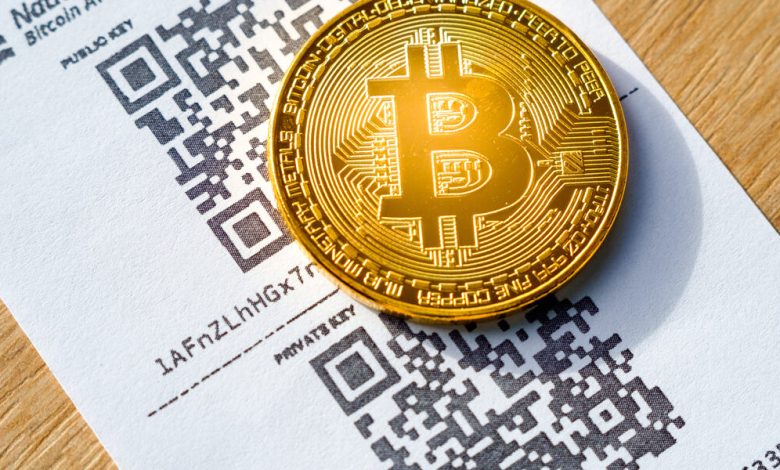
South Korean regulators have launched an investigation into a major cryptocurrency exchange after a system malfunction temporarily showed users holding Bitcoin worth more than $40 billion that did not actually exist, raising fresh concerns about internal controls in the country’s digital asset market.
Authorities said the incident stemmed from a technical error that caused account balances to reflect large quantities of Bitcoin that were never issued or backed by real assets.
The phantom holdings, described by regulators as “ghost Bitcoin,” appeared during a promotional activity and were visible to users before the error was identified and corrected.
The probe is being led by the Financial Services Commission, which has formed a task force to examine how the glitch occurred and whether the exchange violated operational or disclosure rules.
Officials said the investigation will also assess whether safeguards were adequate to prevent users from attempting withdrawals or trades based on the erroneous balances.
The exchange at the centre of the investigation is one of South Korea’s largest digital asset platforms, operating in a market that is tightly regulated following a series of high-profile crypto failures in recent years.
Regulators stressed that while no actual Bitcoin was transferred, the scale of the error highlighted weaknesses in system reliability and risk management.
“This incident underscores the need for stronger internal controls and real-time monitoring at virtual asset service providers,” a regulatory official said, adding that the case could accelerate the introduction of stricter oversight measures.
South Korea has already implemented a comprehensive framework for crypto exchanges under its virtual asset protection laws, which require segregation of customer funds, enhanced security standards, and detailed reporting obligations.
Regulators are now considering whether additional rules are needed to address operational risks tied to automated systems and promotional campaigns.
The investigation comes amid growing scrutiny of cryptocurrency platforms globally, as authorities seek to balance innovation with investor protection.
In South Korea, one of the world’s most active retail crypto markets, regulators have taken a particularly firm stance following past market disruptions.
Officials said findings from the probe could lead to enforcement actions, operational changes, or new industry-wide guidelines aimed at preventing similar incidents.
The case is also expected to inform broader policy discussions on how artificial intelligence, automation, and complex backend systems are used within crypto exchanges.
For now, regulators are urging investors to remain cautious, while reiterating that the integrity of digital asset infrastructure is critical to maintaining confidence in the market.