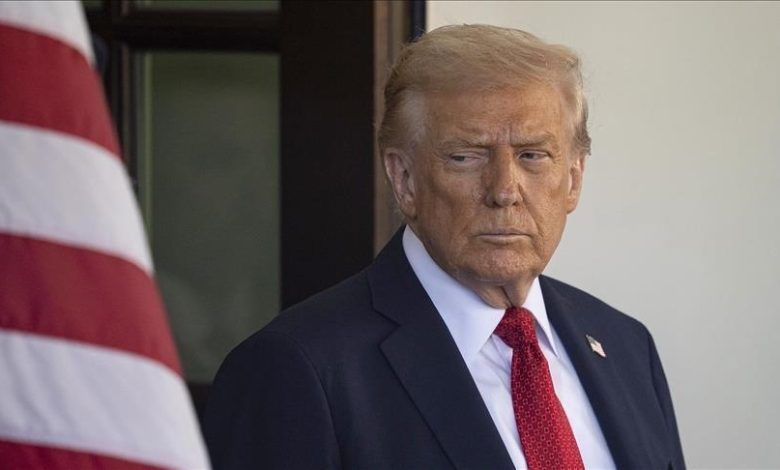
U.S. President Donald Trump has delayed planned military strikes on Iran’s energy infrastructure, granting Tehran a 10-day extension to reopen the strategic Strait of Hormuz amid ongoing conflict and fragile diplomatic efforts.
The new deadline, now set for April 6, follows what the U.S. leader described as “very good” progress in ongoing talks with Iran, even as skepticism persists over the status of negotiations.
The pause in military action comes after Iran reportedly requested a shorter window of seven days, but Mr Trump said he extended it to 10 days as a goodwill gesture to allow diplomacy more time.
Diplomatic push amid ongoing conflict
The development marks the latest shift in a rapidly evolving conflict that began in late February, when U.S. and Israeli forces launched strikes on Iranian targets, prompting retaliatory attacks by Tehran across the region.
Despite the escalation, Mr Trump has insisted that negotiations are progressing well, suggesting a possible pathway to de-escalation. However, Iranian officials have publicly downplayed or denied the existence of direct talks, highlighting deep mistrust between both sides.
The Strait of Hormuz—through which a significant portion of the world’s oil supply passes—remains a central flashpoint in the crisis. Iran has effectively restricted movement through the waterway, raising global concerns over energy security and trade disruptions.
Global economic concerns
The standoff has already triggered sharp reactions in global markets, with oil prices surging and stock markets declining amid fears of prolonged instability in the Middle East.
Analysts warn that any sustained disruption in the Strait of Hormuz could have far-reaching consequences, given its role as a key transit route for crude oil and liquefied natural gas.
Although a limited number of vessels have reportedly been allowed passage in recent days, the waterway remains largely constrained, keeping tensions high and uncertainty elevated.
Uncertain path forward
While the extension offers a temporary reprieve from further military escalation, the situation remains volatile, with both sides maintaining hardline positions.
The U.S. has warned that failure by Iran to comply with demands to reopen the strait could trigger renewed strikes on critical infrastructure, potentially deepening the conflict.
For now, the 10-day window is seen as a crucial test of whether diplomacy can succeed where military pressure has so far failed.