Escalating energy costs across Nigeria are forcing millions of households and businesses into survival mode, as a sharp rise in petrol prices, prolonged power outages, and extreme weather conditions deepen economic hardship.
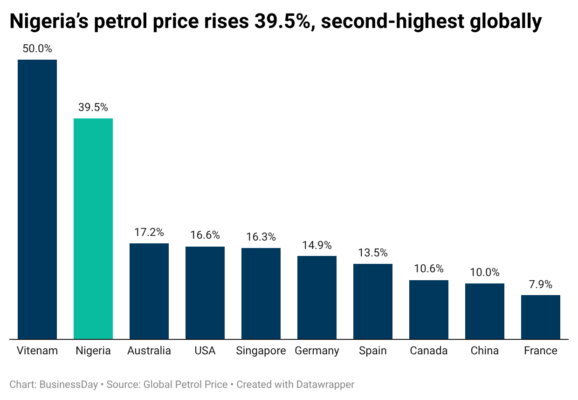
In recent weeks, Nigeria has recorded one of the steepest increases in petrol prices globally, trailing only one other country in the aftermath of the Iran conflict. Fuel costs have surged by nearly 40 percent within a month, placing immense strain on citizens already grappling with inflation and unstable electricity supply.
For small business owners like Adaeze Nwosu, who runs a modest fabric shop on Lagos Island, the impact has been immediate and devastating. Her once-busy shop now falls silent for most of the day, as she can no longer afford to power her sewing machines regularly.
Just weeks ago, Nwosu operated her generator for up to four hours daily. Today, she has been forced to ration fuel, reserving it strictly for nighttime use so her children can study under proper lighting. The shift underscores the difficult choices many Nigerians are now making between sustaining livelihoods and meeting basic family needs.
Across the country, similar stories are unfolding. Traders, artisans, and small-scale manufacturers are cutting back on operations or shutting down entirely due to soaring fuel costs. Many rely heavily on petrol-powered generators because of inconsistent public electricity, making them especially vulnerable to price hikes.
The situation has been further worsened by intense heatwaves and frequent power outages, which have increased energy demand while reducing supply reliability. As temperatures rise, so does the need for cooling, adding another layer of pressure on households already struggling to cope.
Economic analysts warn that the continued rise in energy costs could trigger broader consequences, including higher prices for goods and services, job losses, and reduced economic productivity. Businesses facing higher operating expenses are likely to pass those costs on to consumers, deepening the financial strain on ordinary Nigerians.
With no immediate relief in sight, many families and entrepreneurs are being forced to adopt drastic coping strategies—reducing energy consumption, scaling down operations, or relying on alternative, often less efficient, sources of power.
As the crisis persists, calls are growing for urgent government intervention to stabilise fuel prices, improve electricity supply, and provide support for vulnerable households and businesses struggling to stay afloat.
READ ALSO: