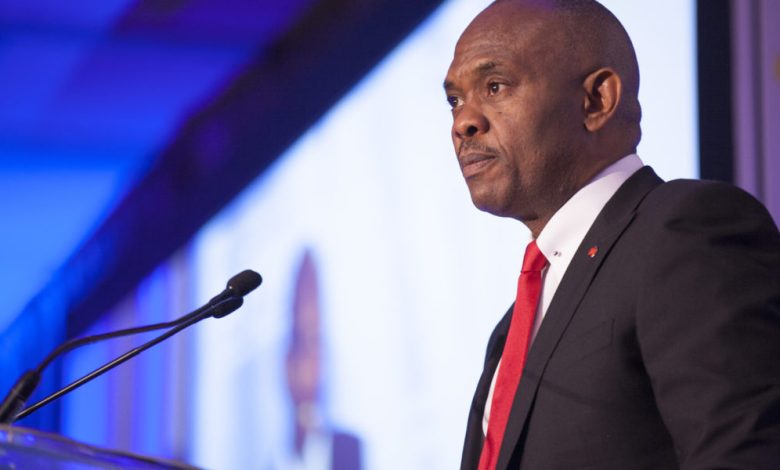
Chairman of Heirs Holdings, Tony O. Elumelu, has announced the 12th cohort of the Tony Elumelu Foundation (TEF) Entrepreneurship Programme.
Elumelu made the announcement in his annual reflection shared publicly, where he highlighted the evolution of the initiative from a targeted intervention into one of the continent’s most influential entrepreneurship platforms.
The latest cohort introduction marks another phase in the foundation’s long-term commitment to identifying, training and funding young African entrepreneurs.
The programme, launched in 2010, was designed to provide seed capital, mentorship and business training to individuals with scalable ideas capable of transforming local economies.
Over the years, the initiative has grown significantly beyond its initial scope. The foundation has now supported more than 24,000 entrepreneurs across Africa, distributing over $100 million in seed funding. This expansion reflects sustained investment in enterprise development as a driver of inclusive growth.
Elumelu noted that the programme was built on the belief that Africa’s economic future depends largely on the capacity of its entrepreneurs to create value, generate employment and stimulate innovation within their communities.
Data shared alongside the announcement indicates that a substantial proportion of businesses supported under the programme have moved beyond early-stage operations, contributing to increased economic activity across multiple sectors.
The initiative has also facilitated access to training for millions of individuals, further strengthening the continent’s entrepreneurial ecosystem.
The broader impact of the programme extends to job creation and income generation. Businesses supported under the initiative have contributed to the creation of employment opportunities while generating significant revenue across different markets. The ripple effect has been felt across households, with improved access to income and economic participation.
Elumelu emphasised that the approach adopted by the foundation reflects a private-sector-led development model, where entrepreneurship serves as a catalyst for long-term transformation.
This model has gained recognition among policy institutions and development partners seeking sustainable alternatives to traditional aid-driven frameworks.
The unveiling of the 12th cohort comes at a time when economic conditions across many African countries remain challenging, with rising costs, currency pressures and limited access to capital affecting business growth.
Against this backdrop, targeted support for entrepreneurs is increasingly viewed as essential to driving resilience and expanding economic opportunities.
The programme continues to position entrepreneurship as a central pillar in addressing unemployment and underemployment across the continent.
By equipping individuals with capital, knowledge and networks, the initiative is helping to bridge gaps that have historically limited business expansion.
Analysts note that sustained investment in entrepreneurship could play a critical role in diversifying African economies and reducing reliance on commodity-driven growth models.
The success of programmes such as TEF demonstrates the potential of structured support systems in unlocking enterprise potential at scale.
As the new cohort begins its journey, the foundation is expected to deepen its impact across sectors, supporting businesses that can contribute to productivity, innovation and long-term economic stability.
The continued expansion of the TEF Entrepreneurship Programme signals a growing shift toward empowering individuals as agents of economic change, reinforcing the role of the private sector in shaping Africa’s development trajectory.