Ultimate Health HMO said on Tuesday it is adopting the Group, Individual and Family Social Health Insurance Programme (GIFSHIP) as its core health coverage plan in a move aimed at expanding insurance access to Nigeria’s informal sector and private workforce.
The announcement was made during a press briefing at the company’s office in Ikeja, Lagos, where the firm outlined its strategy to align with Nigeria’s new health insurance framework under the National Health Insurance Authority (NHIA) Act 2022.
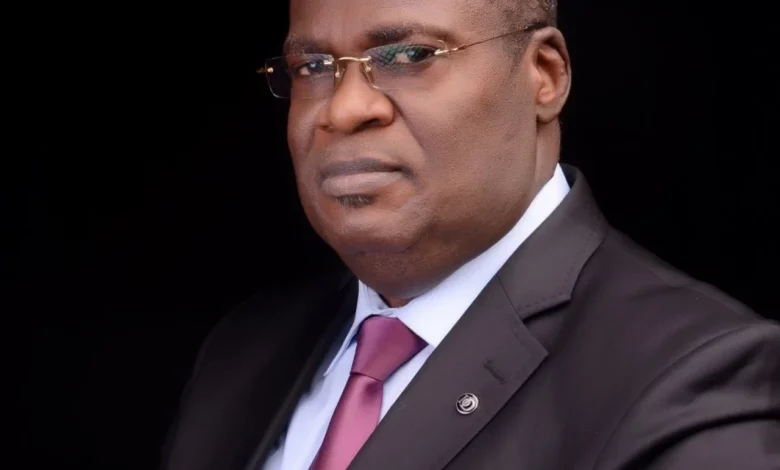
Otunba Lekan Ewenla, the managing director and chief executive officer of Ultimate Health HMO, said the company’s decision to adopt GIFSHIP reflects a broader effort to increase enrollment and improve healthcare access across the country.
According to him, the plan is designed to serve individuals, families, associations and companies, including small and medium-sized enterprises as well as workers in the informal economy.
“The objective is to make healthcare more affordable, accessible and equitable,” Ewenla said.
Read also: Why Nigeria’s 1999 health insurance law failed the informal sector, left 90% unprotected
Nigeria has been trying to expand health insurance coverage for years, but uptake remained low under the earlier framework introduced through the National Health Insurance Scheme (NHIS) Act of 1999.
Industry officials say the system initially focused on the formal sector, particularly public sector workers, leaving a large number of Nigerians outside the insurance network.
The NHIA Act 2022 introduced reforms that make health insurance mandatory for residents and give regulators greater authority over insurance products and operations in the sector.
Under the new framework, health maintenance organizations are required to align their offerings with approved benefit packages and guidelines issued by the regulator.
Ultimate Health HMO said the adoption of GIFSHIP is part of that process.
The programme is a standardized health insurance package developed to allow wider participation in the national health insurance system. It offers a defined benefit structure and recognized tariffs that healthcare providers across the country are already familiar with.
According to the company, the premium for the plan is about N38,718 per person annually.
Industry experts say standardized packages such as GIFSHIP could reduce disputes between hospitals and insurers and improve coordination within the healthcare system.
Hospitals that understand the benefit structure and payment process are more likely to provide faster and more consistent care to insured patients.
Ultimate Health HMO said healthcare providers working with the programme are familiar with operational processes such as authorization procedures and treatment tariffs, which could help improve service delivery at the primary, secondary and tertiary levels of care.
The company added that it already manages a significant number of public sector enrollees and has corporate clients across Nigeria’s states and the Federal Capital Territory.
Expanding enrollment into the informal sector could represent a major opportunity for the industry.
Nigeria’s informal workforce accounts for a large share of employment, including traders, artisans, transport workers and small business operators who often pay for healthcare directly from their pockets.
Health policy analysts say bringing these groups into structured insurance schemes could reduce financial pressure on households and improve early access to treatment.
The company said its strategy is to focus on the mass market as part of efforts to improve health outcomes and support the country’s broader health insurance objectives.
Regulatory oversight is also expected to play a stronger role under the new law.
The NHIA now has the authority to approve and code private health insurance products offered by HMOs, a move designed to prevent insurers from marketing unregulated or inconsistent packages.
Ultimate Health HMO said it has already submitted additional complementary insurance products designed for senior corporate executives to the regulator for approval.
According to the company, the products were developed using actuarial analysis and are intended to meet the expectations of high-income clients while remaining within regulatory guidelines.
Industry observers say such tiered offerings could help HMOs serve a broader range of customers while maintaining standardized basic coverage.
However, they note that the success of GIFSHIP and similar initiatives will depend on awareness, enforcement and collaboration across the healthcare system.
Many small businesses and informal workers are still unfamiliar with the details of the new insurance law, which may slow initial enrollment.
Healthcare providers will also need to maintain capacity to handle increased patient volumes if coverage expands significantly.
Austine Aipoh, the national president of the Healthcare Providers Association of Nigeria (HCPAN) say successful implementation may require strong collaboration between federal and state governments, HMOs and industry associations.
Read also: A presidential directive on National Health Insurance
There may also be a need for targeted outreach programmes and flexible payment options for informal workers whose incomes are irregular, Aipoh added.
Despite these challenges, industry stakeholders say the adoption of standardized plans could strengthen Nigeria’s health insurance ecosystem over time.
By increasing the number of contributors to the system, the reforms could help stabilize funding for hospitals and clinics while improving access to care.
For Ultimate Health HMO, the rollout of GIFSHIP marks a strategic shift toward broader participation in the national health insurance programme as Nigeria works to close long-standing gaps in coverage.