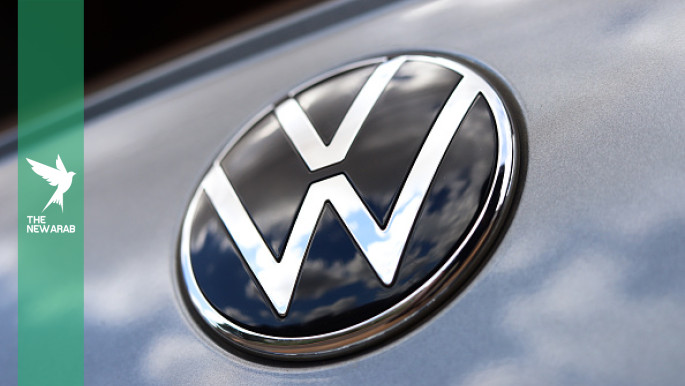
Volkswagen is exploring a shift to producing Iron Dome components for Israel, raising concerns over its return to military-linked manufacturing [Getty]
German carmaker Volkswagen is in talks with Israel’s state-owned Rafael Advanced Defence Systems to shift production at one of its factories towards missile defence systems, according to a report by The Financial Times on Tuesday.
The discussions centre on converting Volkswagen’s Osnabrück plant to produce components for Israel’s Iron Dome air defence system, including launch platforms, heavy transport vehicles and power generators.
Volkswagen said it was “exploring solutions” for the plant and confirmed it was in discussions with market actors, but added it had ruled out direct weapons production.
The potential shift comes as the company faces declining profits in its core automotive business amid growing competition from Chinese manufacturers and the transition to electric vehicles, prompting a pivot towards the more lucrative defence sector.
The move has drawn scrutiny, given Volkswagen’s historical role during World War II, when it was established under Adolf Hitler’s Nazi regime and quickly repurposed for military production.
Before producing civilian vehicles, the company manufactured military transport such as the Kübelwagen and Schwimmwagen for the Wehrmacht, and contributed to the production of V-1 flying bombs used in attacks on London.
Volkswagen has also faced long-standing criticism over its use of forced labour during the war, with prisoners of war and detainees from concentration camps making up a significant portion of its workforce. The company acknowledged these abuses decades later and paid compensation to victims.
The reported plans to collaborate with an Israeli defence company come as Israel faces accusations of carrying out a genocide in Gaza, raising further questions over the role of international corporations in supporting its military infrastructure.
If approved, production at the Osnabrück plant could begin within 12 to 18 months, subject to agreement from workers to transition from civilian manufacturing to defence-related output.