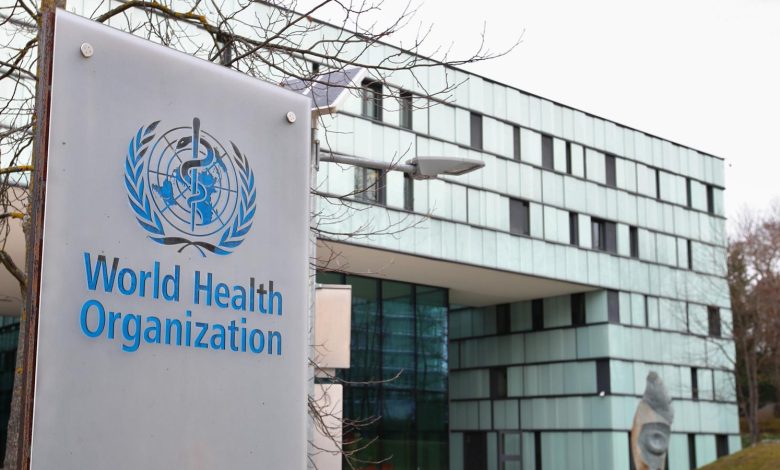
The World Health Organization (WHO) has emphasized that deeper collaboration is essential to delivering lifesaving health services particularly in hard-to-reach and crisis-affected areas across Nigeria.
In a post shared on its official X handle, WHO Nigeria on Wednesday, March 18, 2026, highlighted the urgent need for coordinated action as the country battles multiple public health threats.
Crisis-prone areas such as Maiduguri, Adamawa, and Niger State, among others, require a network of strategic partnerships to deliver healthcare services effectively, experts say.
“As the country responds to multiple public health threats including Lassa fever, meningitis, cholera and diphtheria, stronger collaboration is vital to ensure lifesaving health services reach people in the hardest-to-reach and crisis-affected areas of Nigeria,” WHO stated.
Read Also:Why global health leadership must look more like the world it serves
With more than 2,400 Lassa fever cases reported across 18 states, pressure is mounting on Nigeria’s already stretched health system, WHO stated.
Against this backdrop, WHO country representative, Pavel Ursu, met with Stuart Alexander Zimble, head of mission for Médecins Sans Frontières (MSF), to explore new opportunities for enhanced partnership in emergency response and service delivery.
The discussions focused on expanding joint interventions across a broader humanitarian health agenda.
Key areas include strengthening epidemic preparedness and response, supporting overstretched health facilities, improving community-level healthcare delivery, and addressing critical supply chain challenges in fragile and conflict-affected settings.
“We would continue to work side-by-side with MSF and partners under national leadership, supporting surveillance in high-risk states, boosting treatment capacity, and ensuring lifesaving care reaches the people who need it most,” WHO stated.
Health experts say such partnerships are crucial in closing access gaps, particularly in underserved communities where weak infrastructure and insecurity often limit timely care.
WHO and MSF aim to scale up impact, protect vulnerable populations, and bring essential services closer to those most at risk through strategies that leverage partnerships and complementary strengths.
As Nigeria confronts recurring outbreaks, the renewed collaboration signals a critical step toward strengthening the country’s emergency health response and saving more lives, health experts say.