Aliko Dangote Urges Africa to End Raw Material Exports as Industrialisation Push Gains Momentum

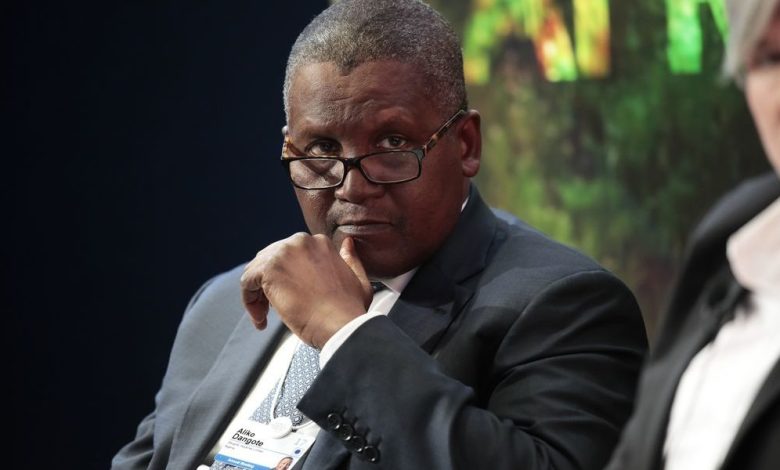
Aliko Dangote has called on African countries to halt the export of raw materials without value addition and warned that the continent’s long-standing reliance on commodity exports continues to undermine economic growth, weaken currencies, and limit industrial development.
Speaking at a high-level gathering that also featured William Ruto and Yoweri Museveni, Dangote said Africa must prioritise local processing, refining, and manufacturing to unlock the full value of its natural resources and reposition its economies for sustainable growth.
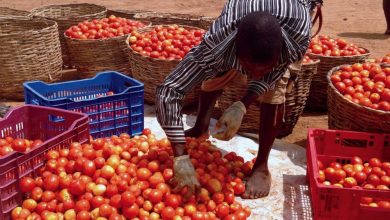
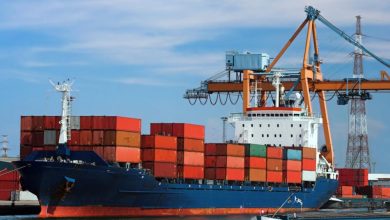
He argued that exporting raw commodities such as crude oil, cocoa, and solid minerals while importing finished products places African economies at a structural disadvantage, and subsequently results in persistent trade imbalances and foreign exchange pressure.
Dangote noted that countries that fail to develop domestic industrial capacity remain vulnerable to external shocks, including commodity price volatility and currency depreciation, adding that Africa’s economic transformation depends on its ability to build strong manufacturing bases.
The call aligns with ongoing policy discussions across the continent, where governments are increasingly focused on value addition, industrialisation, and regional trade integration under frameworks such as the African Continental Free Trade Area (AfCFTA).
President William Ruto has repeatedly emphasised the need for agricultural processing and manufacturing expansion to create jobs and boost exports, while Yoweri Museveni has long advocated for industrialisation as a pathway to economic independence.
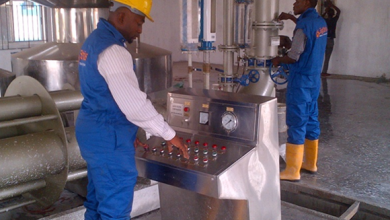
Dangote’s position reflects his own investment strategy, particularly in refining and manufacturing, where he has committed significant capital to building infrastructure aimed at reducing import dependence and strengthening domestic supply chains.
Analysts say the push for industrialisation is critical to improving Africa’s trade position, as the continent currently exports low-value raw materials and imports higher-value finished goods, creating a persistent value gap that affects economic stability.
For investors, the shift toward local production and value addition presents opportunities across key sectors, including energy, manufacturing, logistics, and infrastructure, as governments seek to deepen industrial capacity and attract long-term capital.
The discussion has gained traction online as it highlights a central issue in Africa’s economic development, whether the continent can transition from being a supplier of raw materials to a producer of finished goods capable of competing in global markets.
As policymakers and business leaders continue to engage on this issue, the focus is expected to remain on practical implementation, including infrastructure development, regulatory reforms, and access to financing, all of which are necessary to drive meaningful industrial growth across Africa.