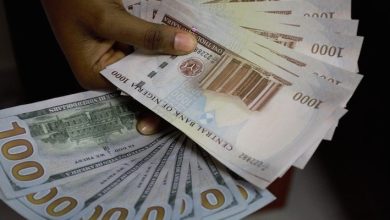
The strengthening of the U.S. dollar is signaling a broad shift in global capital flows as investors move toward safe-haven assets in response to rising geopolitical tensions and economic uncertainty.
The dollar has recorded consecutive gains in recent sessions, supported by escalating risks linked to disruptions in the Strait of Hormuz and sustained volatility in global energy markets.
This trend reflects a familiar pattern during periods of uncertainty, where investors reallocate capital from riskier assets and emerging markets into the relative stability of the U.S. financial system.
Rising oil prices, now trading above $110 per barrel, have intensified inflation concerns globally, further reinforcing demand for the dollar.
Higher energy costs are increasing import bills across economies, particularly in emerging markets, leading to currency depreciation and capital outflows.
The dollar’s strength is also being supported by expectations that the Federal Reserve will maintain a cautious monetary policy stance.
Persistent inflationary pressures are reducing the likelihood of near-term interest rate cuts, making U.S. assets more attractive relative to other markets.
In currency markets, the Japanese yen has weakened significantly, nearing intervention levels as authorities monitor excessive volatility.
Similarly, several emerging market currencies have come under pressure as capital shifts toward dollar-denominated assets.
For investors, the stronger dollar represents both a hedge and a signal. It reflects declining risk appetite and growing uncertainty across global markets, particularly as geopolitical tensions remain unresolved.
The movement toward dollar assets is also affecting global liquidity conditions. As capital flows into the United States, financial conditions tighten in other regions, increasing borrowing costs and limiting access to capital for businesses and governments.
In emerging economies, the impact is more pronounced as countries with high external debt or heavy reliance on imports are facing rising financing costs and currency instability.
This dynamic is forcing policymakers to consider defensive measures, including interest rate adjustments and foreign exchange interventions.
Nigeria is not insulated from these developments as a stronger dollar typically places pressure on the naira, increasing the cost of imports and contributing to inflation.
At the same time, elevated crude oil prices provide some support through increased foreign exchange inflows, creating a complex macroeconomic balance.
The interplay between oil prices and dollar strength remains a key factor for Nigeria’s economic outlook. While higher oil prices boost revenue, a stronger dollar can offset gains by increasing domestic cost pressures and weakening purchasing power.