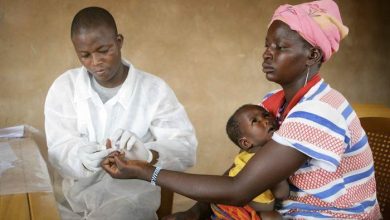
Emzor Group said it will deepen investments in local drug manufacturing and maternal health solutions, as Nigeria continues to face one of the world’s highest maternal mortality rates.
The company made the pledge to mark the International Day for Maternal Health and Rights (IDMHR), warning that preventable deaths during childbirth remain a major public health challenge in Africa’s most populous nation.
Leading the call, Pharm. Uzoma Ezeoke, the executive director, Emzor Group, emphasised the urgency of sustained action, stating, “Every woman deserves access to safe pregnancy, childbirth, and postnatal care. Maternal health should not be a privilege, it is a fundamental right. However achieving this requires deliberate investment, strong health systems, and collaboration across public and private sectors. Emzor stands proudly at this intersection, and today we use this opportunity to restate our commitment to improving maternal health outcomes.”
Read also: Emzor Pharmaceutical repays debut series 1 Commercial Paper
Highlighting the Emzor Group’s contribution, Kunle Faloye head of marketing, Emzor, noted: “We are committed to supporting healthcare systems with high-quality, affordable pharmaceutical products that address critical maternal health needs, from nutrition and prenatal care to postpartum support. Our investments in local manufacturing are designed to improve access, ensure supply reliability, and ultimately deliver better outcomes for mothers and newborns. This spans both over-the-counter supplements and prescription medicines.”
Nigeria records about 993 maternal deaths per 100,000 live births, accounting for nearly a third of global maternal deaths, according to data from the World Health Organization. That translates to more than 200 deaths daily, largely from preventable causes such as postpartum haemorrhage.
The company said it is scaling up production of key maternal health medicines through its subsidiary Zolon Healthcare Limited, including misoprostol-based treatments used to prevent excessive bleeding after childbirth.
Its locally manufactured drug, Eprostol, is designed to address postpartum haemorrhage and other obstetric needs, while another product, Maldox, targets malaria in pregnancy, a leading contributor to maternal anaemia and low birth weight.
Emzor said expanding domestic production capacity would help reduce reliance on imports, improve supply reliability and lower costs, a key barrier in low-resource settings where access to essential medicines remains uneven.
Nigeria’s maternal health crisis is driven not only by drug shortages but also weak primary healthcare systems, limited skilled birth attendance and poor access in rural areas. While pharmaceutical interventions are critical, broader reforms in healthcare delivery and financing are needed to make sustained progress.
Reinforcing Emzor Group’s long-term vision, Ezeoke added: “Improving maternal health outcomes requires a holistic approach, from prevention and nutrition to access to life-saving medicines. At Emzor, we remain committed to playing our part in building a future where no woman dies while giving life and both mothers and their babies are able to achieve their full potential and wellbeing.
Further affirming the Group’s innovative solutions, Pharm. Obiajulu Onwuzor, head of marketing at Zolon Healthcare (a subsidiary of the Emzor Group), said: “Our focus is on delivering quality-assured, locally manufactured solutions that align with clinical best practices. By strengthening local production capacity, we are helping to close critical gaps in access to essential maternal health medicines.”
Read also: Emzor committed to eradicating malaria in Nigeria
Still, the company’s strategy reflects a wider shift among Nigerian manufacturers to localise production of essential medicines, as Africa seeks to build resilience in its healthcare supply chains following global disruptions.
Observed annually on April 11, IDMHR highlights the need for equitable, respectful, and high-quality maternal care. This year’s theme, “Rights. Justice. Action. For All Women and Girls,” underscores the importance of eliminating preventable maternal deaths, strengthening midwifery systems, and protecting women’s health rights, particularly in low-resource settings.