…As one child dies every two minutes from malaria
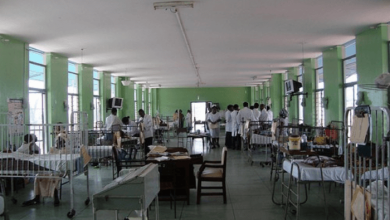
Each rainy season in Nigeria brings a surge in malaria cases, filling hospital wards with anxious mothers watching over their sick children. While some may recover, others do not.
Malaria is a major public health concern in Nigeria, with an estimated 68 million cases and 194,000 deaths in 2021, according to the World Health Organisation (WHO).
Globally, malaria still kills one child every two minutes despite decades of interventions, according to Doctors Without Borders (MSF) reports.
Nigeria carries the heaviest share of that burden, as the WHO reports that the country accounts for about 24 percent of global malaria cases and more than 30 percent of deaths. Across West Africa, it contributes over half of all infections.
Read also: Emzor calls for API investment to tackle Nigeria’s malaria burden
Nearly 97 percent of Nigerians remain at risk, making malaria one of the country’s most persistent public health threats.
Despite pockets of progress in some states, nationally, the burden is still high, with some states recording malaria prevalence rates between three percent to over 40 percent.
Although states like Delta and Kebbi have reported a decline in prevalence. In Delta State, for instance, malaria prevalence dropped from 10 percent in 2022 to 6.5 percent in 2025.
Joseph Onojaeme, Delta State Commissioner for Health, said wider access to treated mosquito nets and rapid diagnostic tools is helping to reduce infections.
“We now have treated nets in most homes, and health centres are equipped with rapid diagnostic kits,” he said.
In Kebbi, malaria prevalence also dropped from 49 percent among children under five in 2021 to 1.7 percent in 2025, following the introduction of the malaria vaccine.
According to Yakubu Augie, Kebbi State Commissioner for Health, “All eligible children across the state now have access to the life-saving malaria vaccine at designated health facilities.”
Despite this progress, the impact remains regional, as funding deficits stall national progress, experts warn.
Read Also: https://businessday.ng/health/article/nigeria-medicine-import-ban-spurs-shortages-tests-local-manufacturers/
Financial, structural barriers
Nigeria’s progress against malaria is being slowed by a mix of financial, structural, and behavioural challenges.
Funding gaps remain a major concern as global malaria financing is still billions short of what is needed, and declining donor support is putting pressure on countries to do more with limited resources.
Muyi Aina, chief executive of the National Primary Health Care Development Agency (NPHCDA), warned that the responsibility is shifting inward.
“Countries must increase funding as donor resources decline,” he said.
Logistical and infrastructural weaknesses also persist, as the rollout of the R21 malaria vaccine, introduced in 2024, faces serious hurdles, including cold chain storage challenges, unreliable electricity, and poor transport systems that continue to limit access, especially in rural areas.
The vaccine requires four doses, and many children fail to complete the full schedule. In some African countries, dropout rates between doses reach up to 30 percent, raising concerns about long-term effectiveness.
Self-medication is another growing problem. Experts warn that most Nigerians who assume they have malaria may actually be suffering from other illnesses.
“Over 95 percent of people who think they have malaria may be wrong,” health experts cautioned.
This practice not only wastes resources but also fuels drug resistance. The malaria parasite, Plasmodium falciparum, has already developed resistance to older drugs like chloroquine, and there are emerging signs of resistance to artemisinin.
“Malaria resistance is already here,”Mide Ayoaba, a clinical researcher, noted.
Read also: FG endorses nationwide youth health competition to fight malaria
Government efforts
The federal government says it is stepping up efforts to reduce the malaria burden. A new National Malaria Strategic Plan for 2026 to 2030 targets a 50 percent reduction in prevalence and deaths.
At a recent briefing, Iziaq Salako, Minister of State for Health and Social Welfare, stressed the seriousness of the disease.
“There is nothing ordinary about malaria. It continues to claim lives and weaken families and productivity,” he said.
Since 2015, more than 500 million insecticide-treated nets have been distributed nationwide. In 2026, campaigns will expand further, alongside seasonal malaria chemoprevention expected to reach 29 million children under five.
Vaccination is also gaining ground, as over 1.3 million children have received at least one dose, with rollout expanding to new states, including Bauchi and Ondo.
Additional strategies, such as larval source management, are being piloted in selected states to diversify control efforts.
Yet, outcomes remain uneven because while some states show steady improvement, national figures still reflect a high disease burden, highlighting gaps in implementation and access.
Way forward
The theme of World Malaria Day 2026 underscores the need for sustained commitment, increased funding, and more strategic collaboration between private and public stakeholders.
Read also: Over 1.2m children have received malaria vaccine across four states, says FG
Experts say the path forward lies in strengthening systems and closing critical gaps. Expanding domestic funding will be essential as international support declines. Without it, progress could stall or even reverse.
In addition, integrating malaria vaccines into routine immunisation schedules could help ensure children complete all four doses. Strengthening cold chain infrastructure, including solar-powered storage, would improve access in underserved areas.
Public education must be prioritised. Reducing self-medication and promoting proper diagnosis will help slow drug resistance and ensure better treatment outcomes.
Encouragingly, global efforts have already prevented billions of malaria cases and saved millions of lives since 2000. Several countries, including the United States, China, Algeria, Egypt, and Mauritius, have eliminated the disease entirely.
For Nigeria, the journey might be long, but progress is being made. Experts note that with sustained investment, stronger systems, and community engagement, the shift from bednets to vaccines could become national progress.