Nigeria Faces Capital Outflow Risk as Global Investors Shift to Safe-Haven Assets

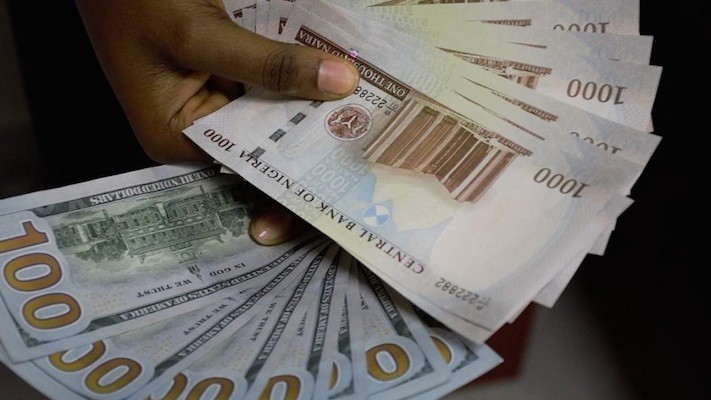
Nigeria is facing renewed risk of capital outflows as escalating geopolitical tensions and global financial uncertainty drive investors toward safer assets, potentially weakening inflows into emerging markets.
According to insights shared by the Federal Ministry of Finance ahead of the IMF/World Bank Spring Meetings, heightened global risk conditions are already influencing investment patterns with capital increasingly moving away from higher-risk markets toward traditional safe havens such as U.S. Treasuries and other developed market instruments.
The shift reflects a broader risk-off sentiment triggered by the ongoing global crisis, which has disrupted energy markets, tightened financial conditions, and increased uncertainty across asset classes.
For emerging economies like Nigeria, such conditions typically result in reduced foreign portfolio investment and increased pressure on financial markets.
Foreign capital flows play a critical role in Nigeria’s financial system, supporting liquidity in the equity and fixed-income markets while also contributing to foreign exchange stability.
A slowdown or reversal in these inflows could have implications for the naira, bond yields, and overall market performance.
Historically, periods of global uncertainty have led to capital reallocation away from emerging markets, as investors seek to preserve value and reduce exposure to volatility.
The current environment reflects similar dynamics, with geopolitical developments adding to existing concerns around inflation, interest rates, and global growth.
For Nigeria, the timing of this shift presents a challenge. The country is currently in a phase of economic transition, following recent reforms aimed at improving macroeconomic stability, liberalising the foreign exchange market, and attracting investment.
While these reforms have strengthened the policy framework, external shocks continue to test investor confidence.
The potential impact on the naira remains a key concern. Reduced capital inflows could limit foreign exchange supply, increasing volatility in the currency market and complicating efforts to maintain stability. This could also influence monetary policy decisions, particularly in managing inflation and exchange rate pressures.
In the fixed-income market, capital outflows may lead to upward pressure on yields as investors demand higher returns to compensate for perceived risk. This could increase borrowing costs for both the government and corporates, further tightening financial conditions.
Despite these risks, government officials maintain that Nigeria is better positioned to manage external shocks compared to previous periods, citing ongoing reforms and improved macroeconomic coordination.
The continued operation of a liberalised foreign exchange regime is expected to support transparency and facilitate smoother capital movements.
Engagements with global investors, development finance institutions, and credit rating agencies at the Spring Meetings are also aimed at reinforcing Nigeria’s investment case and maintaining confidence in the country’s economic direction.