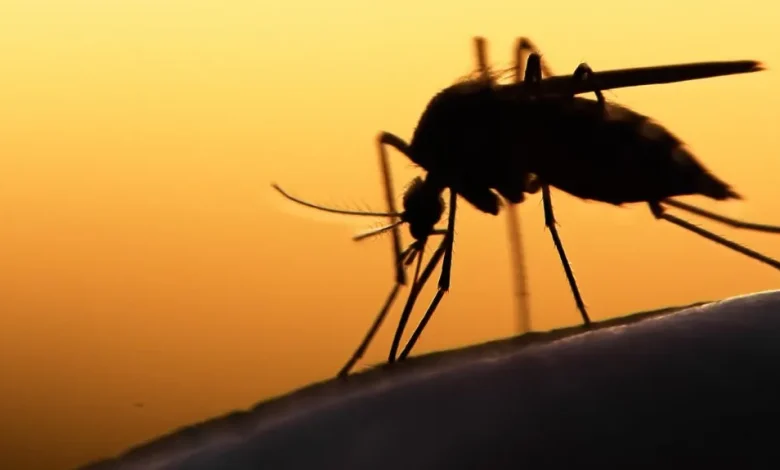
West African countries have adopted an ambitious regional framework aimed at eliminating malaria by 2035, with targets including a 90 per cent reduction in incidence, zero malaria-related deaths, and elimination in at least three Member States.
The framework was endorsed on Saturday at the 27th Ordinary Session of the Assembly of Health Ministers of the Economic Community of West African States, ECOWAS, convened by the West African Health Organisation (WAHO) in Freetown, Sierra Leone.
The News Agency of Nigeria(NAN) reports that the West African countries intensify efforts to eliminate malaria, improve maternal and child health outcomes, and strengthen preparedness for emerging health threats, regional collaboration through ECOWAS remains indispensable.
At the Assembly, a series of discussions over the week underscored a shared regional commitment to strengthening health systems, accelerating malaria elimination, and advancing reforms within WAHO.
Speaking on behalf of the President of Sierra Leone, the Chief Minister, Dr David Moinina Sengeh, emphasised the urgency of delivering measurable health outcomes across West Africa.
Mr Sengeh identified malaria, maternal, and child mortality as persistent regional challenges and called for stronger, data-driven health systems to enable faster and more effective decision-making.
He highlighted Sierra Leone’s progress in reducing maternal and child mortality over the past decade and the rapid rollout of HPV vaccination for more than 1.1 million girls as evidence of what coordinated leadership can achieve.
A key highlight of his address was the proposed “Freetown Charter on Technology-Enabled, Data-Driven Pathways for the Reduction of Maternal, Child and Infant Mortality,” a regional framework aimed at strengthening health data governance and the responsible use of digital tools and artificial intelligence tailored to African contexts.
He urged ministers and partners to prioritise implementation over declarations, stressing that the credibility of the session would be measured by its impact on health systems and lives saved.
In his welcome remarks, Sierra Leone’s Minister of Health, Dr Austin Demby, reaffirmed the country’s commitment to an “all-of-government, all-of-society” approach to health.
As Chair of the Assembly, Demby emphasised that investing in health remains one of the most consequential decisions governments can make, reflecting a shared regional vision to place people’s wellbeing at the centre of development.
He noted that this year’s focus on malaria control and elimination was central to discussions, highlighting both progress and persistent challenges, including declining funding, climate-related pressures, and growing resistance to existing tools.
Drawing on Sierra Leone’s experience, including reductions in child malaria deaths, the introduction of malaria vaccines, and nationwide distribution of insecticide-treated nets, he said impact is achievable when political will is matched with sustained investment.
He, however, cautioned that funding gaps could reverse hard-won gains and called on leaders to ensure that commitments translate into measurable action.
In his address, Dr Melchior Aissi, Director-General of WAHO, welcomed Ministers and partners, expressing appreciation to the Government of Sierra Leone.
Aissi stressed that malaria elimination requires coordinated regional action grounded in solidarity, innovation, and sustained investment.
He pointed to progress such as Cabo Verde’s malaria elimination certification as evidence of what is possible with strong political will.
He also presented the Regional Malaria Elimination Framework as a roadmap to strengthen governance, expand vector control, improve data and digital tools, advance research, and mobilise domestic resources.
Earlier, following the opening ceremony, WAHO’s Director of Healthcare Services, Dr Virgil Lokossou, presented the 2025 Annual Report alongside the Regional Malaria Elimination Framework.
Lokossou framed the discussion around the region’s shared responsibility to accelerate progress against malaria.
According to him, the proposed framework is structured around seven pillars, including governance, surveillance, health system strengthening, local production, research and innovation, community engagement, and sustainable financing.