Nigerian energy firm Oando Plc is seeking to raise up to $750 million in fresh capital this year to fund an aggressive drilling campaign aimed at increasing production by as much as 300 percent, according to Chief Executive Officer Wale Tinubu.
The planned capital raise comes amid renewed investor interest in African oil and gas assets as global energy markets tighten due to geopolitical disruptions, including the ongoing conflict involving Iran.
Tinubu said the company is intensifying efforts to secure financing that will support a large-scale drilling programme designed to unlock additional value from its existing asset base.
“We are pushing very, very hard towards getting the financing that we need to do an extensive drilling campaign,” Tinubu said.
Oando Plc, which currently produces just over 32,000 barrels of oil equivalent per day based on its 2025 fiscal performance, is targeting a significant production ramp-up through the drilling of as many as 100 wells.
The expansion will focus primarily on assets acquired from international oil majors such as ConocoPhillips and Eni as part of a broader trend of divestments by global firms exiting Nigeria’s onshore sector.
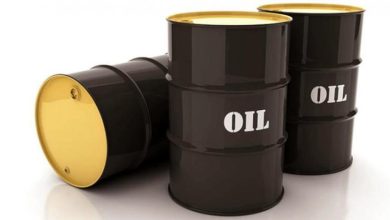
Nigeria, Africa’s largest oil producer, currently generates approximately 1.6 million barrels of crude and condensate per day.
The government has been implementing reforms to attract investment into the sector, including the passage of the Petroleum Industry Act and recent macroeconomic adjustments under President Bola Tinubu.
Tinubu noted that investor perception of Africa as a high-risk environment has shifted in recent years. According to him, geopolitical instability in other regions, particularly the Middle East and Eastern Europe, has repositioned Africa as a relatively stable destination for energy investments.
“Africa is very, very peaceful compared to these regions,” he said, adding that global disruptions have increased demand for Nigerian crude, particularly in Asian markets seeking alternatives to Middle Eastern supply routes affected by tensions around the Strait of Hormuz.
However, the company faces a changing financing landscape. European banks, historically major lenders to African oil projects, have largely withdrawn from hydrocarbon funding due to climate-related policies.
As a result, Oando Plc is shifting focus to alternative funding sources, including regional institutions such as the African Export-Import Bank and the African Finance Corporation as well as global commodity traders like Vitol, Trafigura, Glencore and Mercuria.
The company is also exploring broader capital market options. In August, its board approved a multi-instrument issuance programme of up to $1.5 billion, providing flexibility to tap both debt and equity markets as conditions improve.
Beyond Nigeria, Oando Plc has expanded its footprint into Angola and is evaluating opportunities in Ghana and Ivory Coast as part of a regional growth strategy.
Tinubu emphasised the need for Africa to mobilise domestic capital, including pension funds, to support large-scale energy investments.
He added that ongoing geopolitical tensions will have lasting implications for global energy security and will continue to drive interest in West Africa’s hydrocarbon reserves.
“Even if the ceasefire lasts, it wouldn’t change the fact that consistently, you’re going to find disruptions,” Tinubu said.
Domestically, Nigeria is positioning itself to benefit from shifting global supply chains. The commissioning of the 650,000 barrels-per-day Dangote Refinery has strengthened the country’s refining capacity and reduced reliance on fuel imports.
Tinubu said fuel imports are now largely limited to price testing or maintenance periods, marking a shift from Nigeria’s previous dependence on imported refined products.