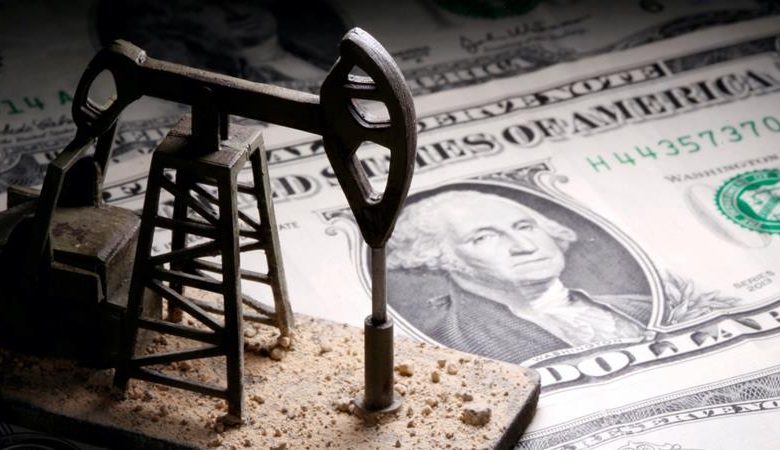
Crude oil prices remained elevated on Monday as ongoing geopolitical tensions involving Iran continued to disrupt global supply chains and sustain upward pressure on energy markets.
Brent crude traded between $109 and $111 per barrel, while U.S. West Texas Intermediate (WTI) hovered around $111 per barrel.
The surge in oil prices is being driven primarily by disruptions in the Strait of Hormuz, a strategic maritime route responsible for transporting a significant portion of the world’s crude oil.
Partial shutdowns and security threats in the region have constrained tanker movement, limiting exports from key Gulf producers and tightening global supply.
Market analysts estimate that up to 15 percent of global oil supply is at risk if disruptions persist, positioning the current situation as one of the most severe supply shocks in recent years.
OPEC+ has responded by signaling plans to increase production by approximately 206,000 barrels per day starting in May.
However, the proposed increase is widely viewed as insufficient to offset the scale of the disruption, particularly as several member countries face operational and geopolitical constraints that limit their ability to ramp up output.
Investor sentiment remains cautious as geopolitical risks continue to evolve. The United States has issued warnings regarding the security of the Strait of Hormuz, while diplomatic efforts to de-escalate tensions remain uncertain.
The absence of a clear resolution path has kept oil markets highly volatile with prices reacting sharply to developments in the Middle East.
The sustained rise in crude oil prices is already impacting global economies, particularly oil-importing nations facing higher energy costs and increased inflationary pressure.
Currency markets have also reacted with several emerging market currencies weakening due to rising import bills linked to elevated oil prices.
For Nigeria, the current oil rally presents a mixed outlook. While higher crude prices support government revenue and foreign exchange inflows, persistent global instability could disrupt demand patterns and complicate long-term planning in the energy sector.
The situation also places renewed attention on domestic refining capacity, including the role of large-scale projects such as the Dangote Refinery in reducing reliance on imported petroleum products.
Looking ahead, oil prices are expected to remain above $100 per barrel in the near term with upside risks dependent on the duration of supply disruptions and the effectiveness of any diplomatic intervention.
Analysts warn that a prolonged closure or further escalation in the Strait of Hormuz could push prices toward $130 to $150 per barrel, while any resolution could trigger a sharp correction.
The oil market remains firmly anchored to geopolitical developments with traders closely monitoring supply routes, production responses, and diplomatic signals for direction.