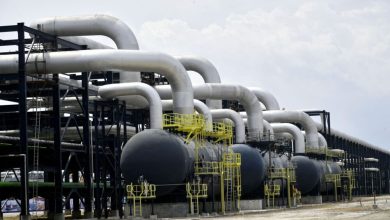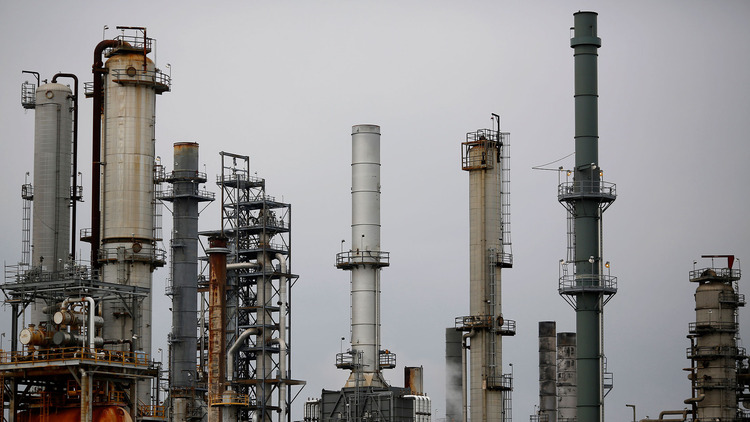
The Dangote Refinery exported approximately 1.66 billion litres of refined petroleum products in April 2026 to reinforce Nigeria’s growing position in the international fuel market amid heightened global supply concerns linked to escalating tensions in the Middle East.
Latest industry data released by the Nigerian Midstream and Downstream Petroleum Regulatory Authority showed that the refinery maintained exceptionally high operational output throughout the month as demand for alternative fuel supply sources increased globally.
The refinery’s export volumes included petrol, diesel and aviation fuel supplied to foreign markets during the review period.
Analysts said the development reflects the increasing strategic relevance of the Lekki-based facility to global energy trade, especially as uncertainty surrounding the Strait of Hormuz continues to raise fears over potential disruption to traditional fuel export routes.
The 650,000 barrels-per-day refinery, regarded as Africa’s largest single-train refinery, operated close to full production capacity in April.
Regulatory figures indicated that domestic refining utilisation averaged above 99 percent during the month, with Dangote Refinery accounting for the overwhelming majority of local refining activities.
Market data further showed that the refinery sustained strong local distribution while simultaneously increasing export deliveries.
Petrol production remained significantly above domestic demand levels, enabling excess volumes to be redirected to international buyers.
Diesel exports also remained strong during the period as global buyers continued to seek supply alternatives outside volatile regions.
Aviation fuel shipments similarly recorded substantial growth amid rising international demand from airlines and fuel distributors.
Industry experts said the refinery’s export performance signals a major shift for Nigeria’s downstream oil sector, which for decades depended heavily on imported refined petroleum products despite being one of Africa’s largest crude oil producers.
The continued rise in domestic refining capacity is gradually positioning Nigeria as a net exporter of refined petroleum products, particularly petrol, following years of import dependence and persistent foreign exchange pressure linked to fuel imports.
The report also showed that crude oil supply to local refineries increased significantly in April compared to the previous month, supporting higher production output across multiple fuel categories.
Despite stronger local refining activity, fuel prices across Nigeria remained elevated during the month due to persistent pressure from global crude oil prices and international market volatility.
Energy analysts noted that the refinery’s growing export footprint could improve Nigeria’s foreign exchange earnings, strengthen energy security and reduce long-term dependence on imported fuel products if production stability is sustained.