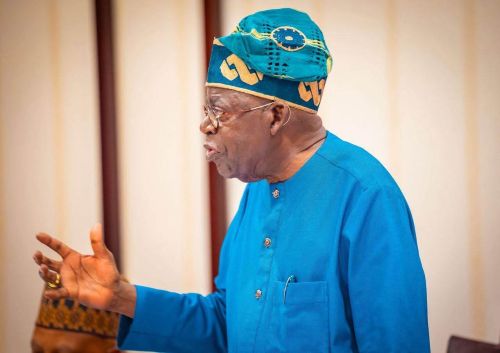
President Bola Ahmed Tinubu’s high-level engagement with Plateau State stakeholders in Abuja has begun to yield tangible gains with fresh commitments on security, relief funding, and, most significantly, a historic political reconciliation among the state’s leadership.
At the heart of the breakthrough was the unprecedented convergence of all former governors of Plateau State under one roof for the first time, an outcome Governor Caleb Mutfwang described as a major step toward lasting peace in the crisis-prone state.
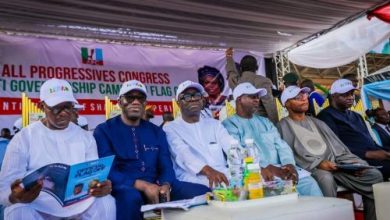
The meeting with President Tinubu, which stretched into the evening at the Presidential Villa, brought together a powerful delegation.
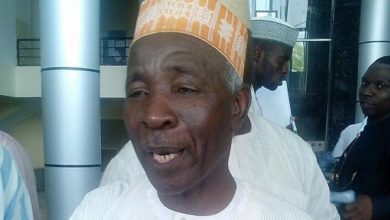
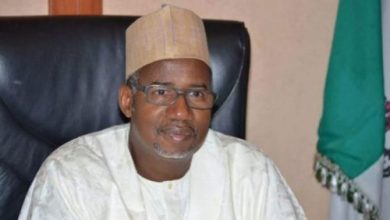
They included former governors Simon Lalong, Jonah Jang, Joshua Dariye, and Fidelis Tapgun, alongside traditional rulers and key political figures.
Beyond the symbolism of unity, the Abuja trip delivered concrete outcomes, including President Tinubu’s approval of N2 billion relief support for victims of the March 29, 2026 attack in Angwan Rukuba, Jos North Local Government Area.
The President also took a firm stance on security, vowing to deploy the full weight of federal authority against individuals identified as sponsors or instigators of violence in the state.
“If you identify and you know the name of troublemakers… we will use the instrument of office to deal with them,” Tinubu told the delegation, while charging Plateau State leaders to take ownership of the peace process.
A major institutional gain from the meeting was the endorsement of a new peace committee comprising former governors, effectively placing them at the centre of reconciliation efforts.
The President directed the committee to review past reports, harmonise recommendations, and drive implementation of sustainable peace strategies.
In what could signal long-term structural reform, Tinubu also renewed his push for the establishment of state police, describing it as critical to addressing Plateau’s unique security challenges.
Governor Mutfwang, reflecting on the outcomes, said the Abuja engagement had helped depoliticise key issues and foster a renewed spirit of unity among Plateau State leaders.
He said: “The coming together of the former governors has never happened before.
“This is the first time it is happening, and I believe that is a step we can build upon.”
He added that the state was now better positioned to “rise above all divides of religion and ethnicity.”
Remarkably, the President also directed inclusive governance measures, urging the state to integrate non-indigenes more fully into its political and administrative structure as part of confidence-building efforts.
Traditional rulers at the meeting, including the Gbong Gwom Jos, Da Jacob Gyang Buba, pressed for enhanced security deployment, technological surveillance, and the urgent resettlement of displaced persons—issues the Federal Government signalled readiness to support.
For many observers, the Abuja meeting marked more than a routine consultation—it represented a strategic reset, combining political unity, financial intervention, and a clearer security roadmap, all anchored on a rare consensus among Plateau State’s past and present leaders.