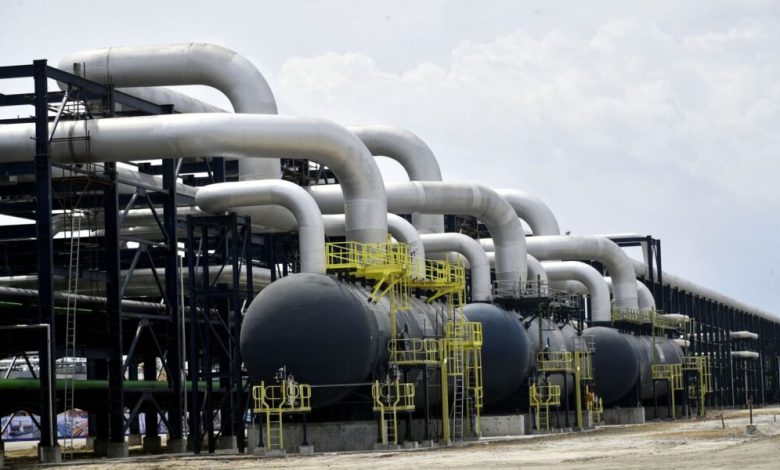
Dangote Petroleum Refinery has dismissed suggestions that refined petroleum products exported from Nigeria are being routed back into the country through Lomé, Togo, describing the narrative as inconsistent with prevailing market realities and commercial incentives.
The company responded to recent reports linking growing fuel exports to Togo with allegations that some of the products eventually find their way back into the Nigerian market through offshore trading arrangements.
According to the refinery, the claims fail to account for the economics of regional fuel trade and the operational structure of West Africa’s petroleum distribution network.
Industry observers have pointed to trade data showing increased shipments of petroleum products from Nigeria to neighbouring countries, particularly Togo, following the expansion of domestic refining capacity.
The development has fueled debate over whether some traders are exploiting regional supply chains to move products across borders before reintroducing them into Nigeria.
However, Dangote Refinery maintains that such assertions overlook how petroleum products are bought, sold, stored and redistributed across international markets.
The company explained that major trading hubs often serve multiple countries and market participants simultaneously.
Products delivered into those hubs may be blended, resold, stored or redirected to various destinations based on demand and pricing conditions, making it inaccurate to assume that exports are automatically returning to their country of origin.
Officials familiar with the matter noted that the refinery’s growing export activities are a reflection of increased production capacity and rising demand from regional markets seeking reliable fuel supplies.
The refinery also stressed that its focus remains on meeting domestic demand while expanding its footprint across Africa and other export destinations. Since commencing large-scale operations, the facility has steadily increased output, supplying refined products to local marketers and international buyers.
Market analysts say the controversy highlights the growing influence of the refinery in regional energy trade. With Nigeria transitioning from a major importer of refined fuel to an emerging exporter, shifts in trade patterns are expected to attract increased scrutiny from market participants and policymakers.
The debate also comes at a time when the country’s downstream petroleum sector is undergoing significant transformation. Increased refining capacity has altered long-standing supply chains and created new commercial relationships within the West African energy market.
While questions remain regarding the movement of fuel products across borders, Dangote Refinery insists that allegations of exported fuel routinely making its way back into Nigeria through Lomé lack a credible economic foundation.
The company reiterated its commitment to transparency and efficient product distribution, adding that regional trade should be viewed within the broader context of evolving market dynamics rather than through assumptions that fail to reflect how global petroleum trading operates.