The Federal Executive Council, FEC, on Wednesday approved far-reaching reforms to the National Youth Service Corps, NYSC, scrapping the tradition of military leadership for the scheme in favour of a civilian head.
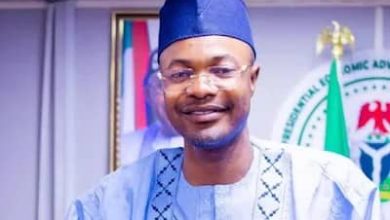
This was disclosed by the Minister of Youth Development, Ayodele Olawande, while briefing State House correspondents after the FEC meeting presided over by President Bola Tinubu at the Presidential Villa, Abuja.
Olawande said the reforms would introduce professional training programmes designed to sharpen corps members’ employability and entrepreneurial skills, while the scheme retains its one-year duration.
According to him, the service year will now incorporate flexible, skills-based training, with the NYSC remaining civilian-led even as the military continues to handle security for corps members nationwide.
He cited the proposed Digital Corps as one of the specialised streams where graduates may undergo extended training to earn professional certifications before deployment, boosting their chances of employment or self-employment.
The minister added that the reforms are intended to bring youth development programmes under one coordinated structure to improve monitoring and accountability.
Speaking further on the changes, the Special Adviser to the President on Policy Coordination, Hadiza Bala Usman, clarified that the military’s security role for corps members remains untouched.
“The safety aspect of our corps members still remains with the military. The operational leadership of the NYSC will be civilian-led, but security will continue to be anchored and implemented by the Nigerian military,” she said.
To back the reforms legally, FEC directed the Attorney-General of the Federation to work with the Ministry of Youth Development to amend the NYSC Act and its regulations for immediate implementation.
On the lingering concern of brain drain among Nigerian graduates, Bala Usman said government’s priority is producing more STEM graduates equipped with globally competitive skills, noting that such graduates would be positioned to contribute to national development whether they stay in Nigeria or return after seeking opportunities abroad.
READ ALSO: