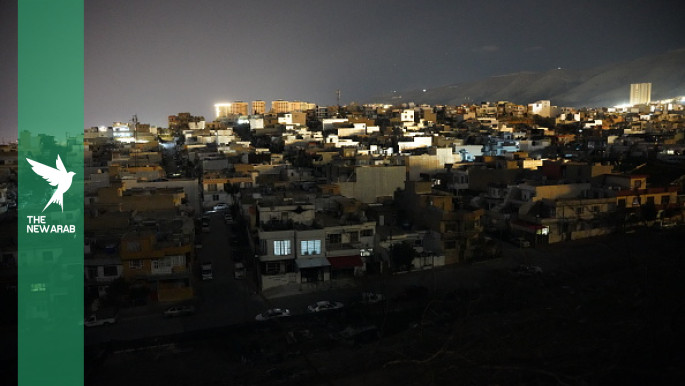
Power cuts have hit Iraq in the middle of a heatwave with temperatures reaching up to 48 [Getty]
Iraqi security forces arrested a number of protesters in the city of Kut following a fourth consecutive night of demonstrations over worsening electricity cuts, according to local media, as unrest spread amid soaring temperatures and deteriorating public services.
Local media reported that security forces carried out an arrest campaign across several areas of Kut, the capital of Wasit province, targeting people who had taken part in protests.
The arrests came after demonstrations on Thursday night, during which protesters blocked roads and clashed with security forces, leaving many demonstrators injured. Iraqi authorities have not issued an official statement on the arrests or disclosed how many people were detained.
Worsening electricity crisis
The protests are part of a broader wave of anger over Iraq’s worsening electricity crisis as temperatures reach 48 degrees Celsius.
Electricity supply has reportedly fallen to as little as four hours a day in some areas, prompting nightly demonstrations in Wasit that have since spread to parts of neighbouring Babil province.
On Thursday night, hundreds of protesters gathered in central Kut, chanting slogans demanding improved electricity supplies before blocking several roads.
Riot police responded by firing tear gas and smoke grenades and using batons to disperse the crowds.
Several protesters have been injured during the demonstrations over the past four days, while local officials have stepped up criticism of the federal government in Baghdad, arguing that Wasit is not receiving a fair share of electricity despite being one of Iraq’s main power-producing provinces.
Wasit Provincial Council Chairman Adel Mohammed said the province “does not receive a fair share despite its significant contribution to electricity production”.
“The provincial council stands alongside citizens’ right to peaceful protest in expressing their rejection of the poor electricity supply, and we warn that continuing the crisis without genuine solutions could further inflame public anger,” he added.
Wasit Governor Ali Hussein Salimoun said the province was “facing a shortfall in its electricity allocation despite producing around 2,500 megawatts”, while also hosting approximately 2.5 million Iranian visitors during the peak of Ashura commemorations.
He said discussions with the Ministry of Electricity had secured an increase in Wasit’s allocation to around 1,000 megawatts, temporarily improving supply, but warned that concerns remained over continued fluctuations in distribution and the stability of the province’s electricity allocation.
Protester Samir al-Miyahi dismissed the governor’s assurances, saying “the promises made by the Wasit governor mean nothing to the protesters, and officials must appreciate the suffering and hardship people endure during the summer”.
Speaking to The New Arab, he said protesters were “not waiting for decisions to increase the province’s electricity allocation, but are demanding a fundamental solution to this crisis, which has persisted for nearly two decades”.
He warned that “if the crisis continues without real action, protests could spread across all Iraqi provinces in the coming days”.
Ali Hussein al-Rashid, a civil activist from Wasit, rejected claims that the demonstrations were politically motivated.
“The nightly popular protests are demanding services, particularly improvements to electricity provision. They have no political objectives and are not directed by politicians, as some beneficiaries of the provincial government in Wasit and the central government in Baghdad accuse us of being,” he said.
Al-Rashid also criticised Iraqi media coverage of the unrest, saying party-owned outlets had largely ignored the protests because reporting on them “would open the door to discussion of the government’s failures, and those leaders do not want that”.