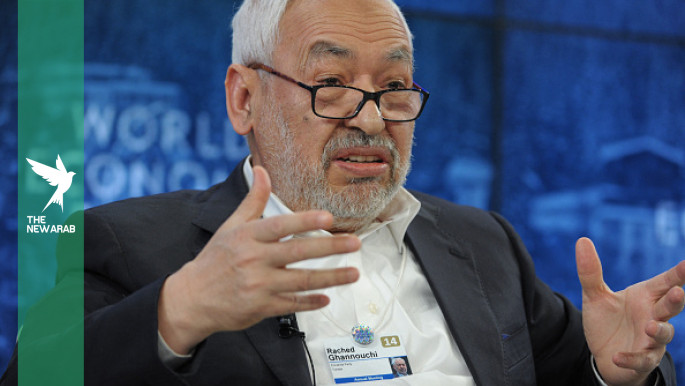
Ghannouchi, imprisoned since 2023, is one of Kais Saied’s most fierce critics [Getty/file photo]
Political prisoners held under President Kais Saied’s government are enduring increasingly unbearable conditions as Tunisia grapples with an intense summer heatwave, with families warning elderly opposition figures are struggling to survive inside overcrowded prisons.
Speaking to The New Arab, activist Kaouther Ferjani, whose father and imprisoned opposition figure Said Ferjani is being held at Mornaguia Prison, said the conditions there “are nothing new”, but described reports of elderly detainees falling ill in the extreme heat as “very worrying”.
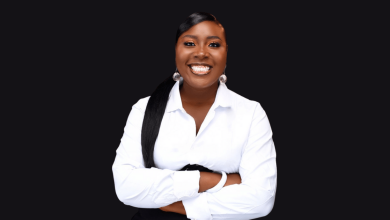
Her comments came after Haifa Chebbi, daughter of veteran opposition leader Ahmed Nejib Chebbi, published an emotional video describing conditions inside Mornaguia Prison after visiting her 81-year-old father.
Chebbi said temperatures inside the prison had reached 52 degrees Celsius, leaving her struggling to breathe and walk during her visit.
Unable to hold back tears, she said she feared for the health of the elderly political prisoners held there and insisted they were innocent.
She also said she witnessed 85-year-old opposition leader Rached Ghannouchi faint after leaving hospital and arriving at his lawyer’s office, attributing the incident to the extreme heat.
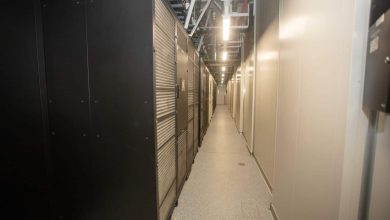
Prisoners spend most of their time in cells measuring around 16 square metres (172 square feet) and are allowed outside for only two hours a day, she said.
While criticising the conditions, Chebbi stressed prison staff themselves were “not responsible”, saying it was up to “the people and politicians” to address the situation.
Ferjani said reports about Ghannouchi’s health were particularly alarming given his age, the length of time he has spent in prison and the lengthy sentences he has received.
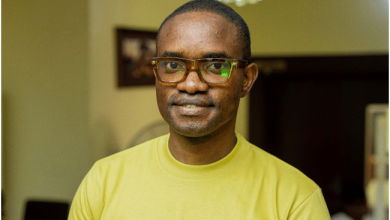
“My father is in the same conditions as everyone else,” she told The New Arab. “We only get an update from him once a year through his lawyer.”
She added that although Mornaguia’s conditions were severe, her father had previously endured even worse treatment at Messadine Prison in Sousse, where, she said, infestations, poor hygiene and overcrowding were widespread.
Ferjani welcomed Chebbi’s decision to speak publicly, saying his prominence would draw wider attention to prison conditions affecting all detainees.
Mornaguia is one of Tunisia’s most high-profile prisons and houses many of the country’s jailed opposition figures. Rights groups have long raised concerns about overcrowding and conditions inside the facility.
Ghannouchi, the co-founder of the Islamist-inspired Ennahda party and one of Saied’s most prominent critics, has been imprisoned since 2023.
He has received multiple lengthy prison sentences on charges including incitement, conspiracy against state security and terrorism. Following the latest sentence handed down in February, he faces up to 40 years in prison, a move condemned by human rights organisations.
Earlier this year, Ghannouchi was hospitalised while in custody. He also staged a hunger strike last November in protest against his detention and in solidarity with other jailed opposition figures.
Ahmed Nejib Chebbi, one of Tunisia’s longest-serving opposition politicians, was sentenced in 2025 to 12 years in prison on charges of plotting against the state in a trial critics described as politically motivated.
He headed the National Salvation Front, an opposition coalition established after Saied’s consolidation of power to challenge the president’s constitutional overhaul.
Said Ferjani has meanwhile remained in detention since February 2023 on conspiracy against state security and terrorism-related charges, following a broad crackdown on opposition figures.
Saied has faced sustained criticism from rights groups over democratic backsliding since his 2021 power grab, when he dismissed Prime Minister Hichem Mechichi’s government and suspended parliament before rewriting the constitution to create a hyper-presidential system.
The crackdown has seen dozens of politicians, activists and government critics imprisoned, prompting repeated warnings from international human rights organisations over shrinking civic freedoms in Tunisia.
“My father shouldn’t be in prison at all. Our prisoners shouldn’t be there,” Ferjani told The New Arab.
She said she did not “legitimise Saied at all” and argued responsibility also lay with Tunisia’s justice system, which she accused of enabling the imprisonment of political opponents.