Only 3 in 10 Nigerian babies get six months exclusive breastfeeding, UNICEF raises alarm

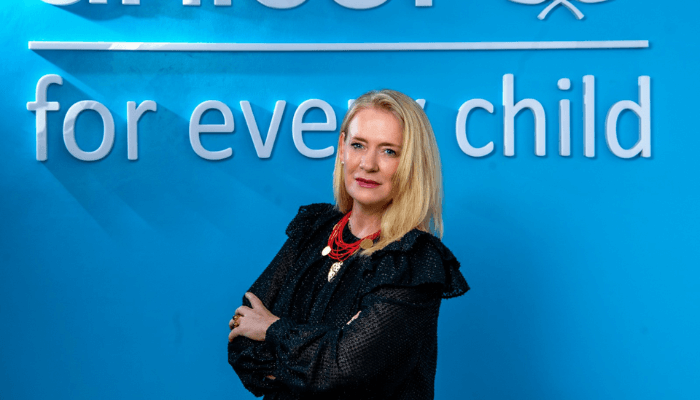
Only three out of every 10 Nigerian babies are exclusively breastfed for the first six months of life, prompting the United Nations Children’s Fund (UNICEF) to warn that the country is missing a simple, low-cost intervention that could save lives, strengthen children’s immune systems and improve brain development.
Speaking to mark this year’s World Breastfeeding Week, Celine Lafoucriere, chief of UNICEF’s Lagos Field Office covering the six states of Southwest Nigeria, described breastmilk as the first vaccine every baby receives, while calling for stronger support from employers, health workers and families to help mothers breastfeed successfully.
Read also: Eno bags outstanding contribution to health insurance development award
Although breastfeeding is widely practised across Nigeria, UNICEF said many mothers stop exclusive breastfeeding too early or introduce water, infant formula and solid foods before babies reach six months of age. According to the agency, only one in three newborns is put to the breast within the first hour after birth, while just three in 10 infants receive only breastmilk during their first six months.
Health experts say exclusive breastfeeding protects babies from diarrhoea, pneumonia and other childhood infections while also improving cognitive development. It is also one of the most cost-effective public health interventions because it requires no purchase and is readily available to mothers.
“In southwest Nigeria, with our hospitals, our markets and our busy working mothers, we can change that number,” Lafoucriere said.
She stressed that improving breastfeeding rates requires more than educating mothers. Employers, she said, should create breastfeeding-friendly workplaces by providing nursing breaks and private spaces where mothers can breastfeed or express milk after returning from maternity leave.
Lafoucriere also urged healthcare workers to ensure babies are breastfed within the first hour after delivery and to provide evidence-based advice to mothers rather than allowing commercial marketing of infant formula to influence feeding decisions.
She said families also have a crucial role to play, noting that husbands, grandparents, mothers-in-law and religious leaders should encourage mothers instead of discouraging exclusive breastfeeding.
“A mother cannot do this alone. She needs a workplace that gives her time and space to breastfeed. She needs a health worker who tells her the truth about formula marketing. She needs her own mother, her husband, her mother-in-law, her pastor and her imam standing behind her, not questioning her,” she said.
Addressing mothers directly, Lafoucriere acknowledged the sacrifices involved in caring for newborns, particularly during sleepless nights.
“To every mother in Lagos feeding her child right now, alone in the quiet hours of the night, we see you. You are giving your child their first and best gift,” she said.
Read also: We are targeting Gene Therapy, Robotic surgery to transform Africa’s specialist healthcare — Deaver
UNICEF said improving early initiation and exclusive breastfeeding rates would not only reduce infant illnesses and deaths but also contribute to better nutrition, stronger learning outcomes and healthier future generations.
The agency reaffirmed its commitment to working with governments and partners to expand breastfeeding support across southwest Nigeria, saying every child deserves the healthiest possible start in life.