Gastech: Ekpo Pushes Nigeria-Libya Gas Pipeline, Courts Fresh Investments To Unlock 215TCF Reserves

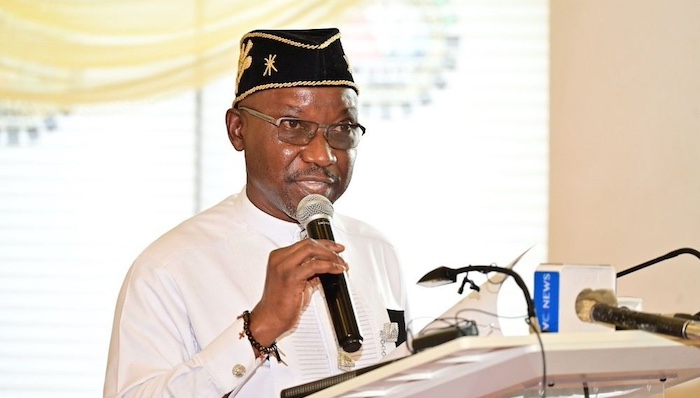
The federal government has intensified its drive to attract fresh investment, technology and strategic partnerships into Nigeria’s gas sector, as it seeks to convert the country’s 215.19 trillion cubic feet of proven gas reserves into increased production, industrial development and export earnings.
The Minister of State for Petroleum Resources (Gas), Ekperikpe Ekpo, led a series of high-level engagements with international energy companies, investors and government officials at Gastech 2026 in Bangkok, Thailand, focusing on gas production, infrastructure, LNG expansion, industrialisationand access to new export markets.
Ekpo, who told prospective investors that Nigeria was open for business, said the reforms of the President Bola Tinubu administration had strengthened the investment environment and provided the policy framework needed to attract capital into the sector.
“Nigeria is open for business. We have put in place the right fiscal policies and operating environment, and the security of investors and their investments is guaranteed,” he said in a statement in Abuja issued by his spokesman, Louis Ibah.
The minister also said that the Nigerian National Petroleum Company Limited (NNPC) would be central to translating Nigeria’s bilateral energy engagements into commercially viable projects, strategic investments and sustainable development.
A major focus of the engagements was the proposed Nigeria-Libya Gas Pipeline, with both countries agreeing to take steps towards developing a structured framework for the project.
At a meeting with Libya’s Minister of Oil and Gas, Khalifa Rajab Abdulsadek, Ekpo discussed the proposed pipeline, which could provide an additional route for transporting Nigerian gas through North Africa to European markets.
The two sides agreed to explore the development of a Memorandum of Understanding (MoU) and establish a joint technical team, with NNPC Limited expected to spearhead Nigeria’s participation in the proposed bilateral framework.
The technical team is expected to examine the feasibility of the project, financing options, infrastructure requirements, security considerations and commercial viability. The discussions are expected to move the proposed pipeline beyond the conceptual stage and towards a more structured assessment of its development and implementation.
Ekpo also held discussions with the Country Chairman of Daewoo E&C Nigeria, Joseph Penawou, on the Nigeria LNG Train 7 project.
The meeting covered contractor payments, project timelines, safety performance and quality assurance, with Ekpo stressing the need for the project to be delivered on schedule to strengthen Nigeria’s position in the global LNG market.
Nigeria also used the gathering to pursue new markets for its oil and gas resources. At a meeting with Bangladesh’s Minister for Power, Energy and Mineral Resources, Iqbal Hassan Mahmood, the Asian country expressed interest in sourcing Nigerian LNG and crude oil.
The two countries also explored broader opportunities for energy cooperation as Nigeria seeks to diversify its export destinations.
In a separate meeting with the United States Deputy Secretary of Energy, James Danly, Ekpo discussed gas-sector investment, technology deployment, energy security and clean cooking initiatives aimed at improving energy access, reducing dependence on traditional fuels and advancing sustainable development.
The minister also met Senegal’s Minister of Energy and Petroleum, El Hadji Abdourahmane Diouf, to discuss cooperation across the oil and gas value chain, the statement said.
Senegal expressed interest in Nigeria’s experience in gas development, local content implementation and institutional capacity building, including potential collaboration with NNPC Limited, Nigeria LNG Limited and the Nigerian Content Development and Monitoring Board.
Ekpo’s engagement with Russia’s Deputy Minister of Energy, Roman Marshavin, centred on deeper cooperation in the gas industry, including a proposal for an annual Gas Investment Forum that would bring together policymakers, investors, developers and financiers from across the global energy sector.
The Russian delegation expressed support for mobilising financing for gas projects, particularly in developing economies facing funding constraints.