…Former President Says Corruption, Development Cannot Coexist
… Obasanjo Recounts Battle To Establish ICPC, EFCC
…‘Poor People Suffer Most In cLCorrupt Society’
Daud Olatunji
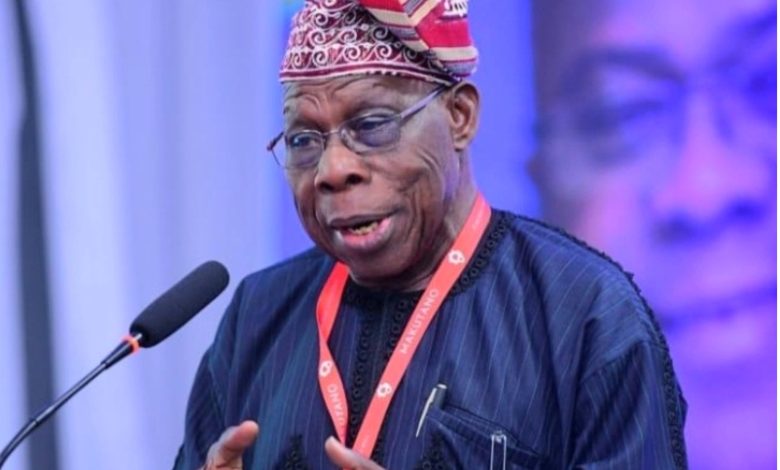
Former President Olusegun Obasanjo has disclosed that some lawmakers resisted the anti-corruption legislation that paved the way for the establishment of the Independent Corrupt Practices and Other Related Offences Commission, saying they feared that passing the bill could send many of them to prison.
Obasanjo made the disclosure on Monday in Lagos while speaking at the public presentation of a book titled, Unexplained Wealth in Nigeria: Law, Prosecution and the Recovery of Illicit Assets, authored by a lawyer and University of Lagos lecturer, Dr Wahab Shittu, SAN.
The former president, who reflected on his decades-long involvement in Nigeria’s anti-corruption campaign, said corruption remained one of the major obstacles to national development.
According to him, a society cannot simultaneously promote development and allow corruption to thrive.
“One big handicap to development is corruption. Corruption and development are strange bedfellows. They can’t go together,” Obasanjo said.
He traced his involvement in the fight against corruption to his military career, during which he served at various times as a military prosecutor and participated in court martial proceedings involving corruption-related matters.
Obasanjo said his commitment to the anti-corruption campaign was further strengthened after he left office as military head of state and became a farmer.
He recalled that it was during that period that he was approached by Peter Eigen, a former World Bank official who later founded Transparency International.
According to the former president, Eigen’s experience at the World Bank exposed him to cases of what he described as “grand corruption,” particularly the diversion of funds obtained through international loans.
Obasanjo said he subsequently worked with Eigen in establishing Transparency International, with Eigen serving as chairman and himself as chairman of the organisation’s advisory council.
He explained that his experience with the organisation later influenced his approach to tackling corruption after he became Nigeria’s democratically elected President.
Obasanjo said Transparency International provided a model anti-corruption law which was subsequently adapted to suit Nigeria and eventually formed the basis of the legislation establishing the ICPC.
However, he disclosed that the proposed legislation encountered stiff resistance in the National Assembly.
Recounting the lawmakers’ reaction, Obasanjo said, “They said to me that if they pass the bill as I gave it to them, most of them will end up in prison.”
He said the disagreement over the legislation lasted for about 18 months before the National Assembly eventually passed the law.
Following the establishment of the ICPC, Obasanjo said his administration went ahead to establish the Economic and Financial Crimes Commission as another institutional mechanism for confronting financial crimes and corruption.