Former President Olusegun Obasanjo has been drawn into discussions over Nigeria’s rising petrol prices, with the cost of Premium Motor Spirit (PMS) increasing dramatically from about ₦20 per litre when he assumed office in 1999 to well above ₦1,000 under the current administration.
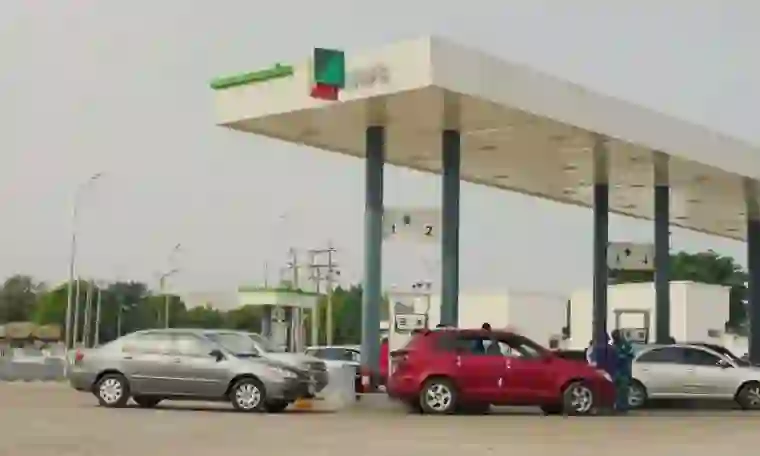
Petrol pricing has remained a major economic and political issue in Nigeria because of its impact on transportation, food prices, production costs and household expenses.
When Obasanjo began his civilian presidency on May 29, 1999, petrol sold for approximately ₦20 per litre. More than two decades later, Nigerians have experienced pump prices exceeding ₦1,500 per litre in parts of 2026, although prices have since moderated.
Petrol Price Under Obasanjo
Nigeria entered the Fourth Republic with petrol selling at about ₦20 per litre after the government of General Abdulsalami Abubakar reduced the price from ₦25 in January 1999 following public opposition.
In June 2000, Obasanjo’s administration increased the price from ₦20 to ₦30 per litre. The decision triggered protests and opposition from organised labour, forcing the government to reduce the price to ₦25 and later about ₦22.
Petrol subsequently rose to about ₦26 in 2002 and between ₦40 and ₦42 in 2003. Further increases in 2004 took the price first to around ₦50 and later ₦65 per litre.
By 2007, petrol had reached ₦75 per litre shortly before Obasanjo left office. His successor, Umaru Musa Yar’Adua, reversed the increase and returned the price to ₦65.
From ₦65 To ₦145 Under Successive Governments
Petrol remained around ₦65 per litre for several years before the Goodluck Jonathan administration removed the subsidy in January 2012.
The move initially pushed the pump price to about ₦141 from ₦65, sparking the nationwide Occupy Nigeria protests. Following negotiations with labour unions, the government reduced the price to ₦97.
In January 2015, the Jonathan administration further reduced the price to ₦87 per litre following a decline in global crude oil prices.
President Muhammadu Buhari later increased the price to about ₦145 per litre in May 2016, citing foreign-exchange challenges and the rising cost of supplying petroleum products.
The ₦145 benchmark remained broadly in place for several years, although fuel shortages occasionally forced consumers to pay considerably more.
Petrol Prices Rise During COVID-19
The COVID-19 pandemic and the collapse in global crude prices led to several petrol-price adjustments in 2020.
The government initially reduced the price from ₦145 to about ₦125 per litre and subsequently lowered it further. As global oil prices recovered, however, petrol prices began rising again.
By the end of 2020, pump prices were generally around ₦160–₦165 per litre.
The official benchmark remained around ₦165 through much of 2021 and 2022, although actual prices paid by consumers were often higher because of shortages and regional variations.
The National Bureau of Statistics later put the national average retail price at ₦206.19 per litre in December 2022.
Tinubu Removes Subsidy
The biggest change in Nigeria’s petrol-pricing system came on May 29, 2023, when President Bola Tinubu announced the removal of the petrol subsidy during his inauguration.
At the time, petrol sold for roughly ₦184–₦195 per litre at many major outlets. Within days, prices at NNPC stations rose above ₦500 per litre, with Abuja recording prices around ₦537.
By July 2023, NNPC had increased its Abuja pump price to approximately ₦617 per litre.
The NBS later reported that the national average petrol price reached ₦671.86 per litre in December 2023, compared with ₦206.19 a year earlier.
Petrol Breaks The ₦1,000 Mark
Petrol prices continued to climb in 2024 as the naira weakened and supply costs increased.
The NBS recorded an average price of ₦668.30 per litre in January 2024. The figure rose steadily during the year, reaching approximately ₦1,189.12 per litre by December.
The increase meant petrol had moved from an official price of less than ₦200 before subsidy removal to a national average exceeding ₦1,000 within about 18 months.
Prices remained elevated throughout much of 2025, although competition among domestic refiners and marketers produced significant variations.
The national average was about ₦1,048.63 per litre in December 2025, while some filling stations supplied with petrol from the Dangote Refinery sold at considerably lower prices.
2026 Records Another Surge
Petrol prices remained above ₦1,000 per litre at the beginning of 2026.
The NBS reported a national average of ₦1,034.76 in January and ₦1,051.47 in February.
Prices then climbed sharply, reaching approximately ₦1,288.54 in March, ₦1,532.93 in April and ₦1,596.25 per litre in May.
The May figure represented one of the highest national average petrol prices recorded since subsidy removal.
Prices subsequently began to moderate as domestic supply increased and refiners adjusted their prices.
By August 2026, petrol prices at major outlets were generally around ₦1,200–₦1,300 per litre, although the exact amount continued to vary according to location, supplier and filling station.
From ₦20 To More Than ₦1,000
The trajectory of petrol prices highlights the dramatic changes in Nigeria’s downstream petroleum sector over the past 27 years.
From approximately ₦20 per litre in 1999, the price moved through ₦65, ₦145, ₦165 and eventually crossed the ₦1,000 mark following the removal of the petrol subsidy.
The transition from government-controlled pricing to a more market-driven system has also meant that Nigerians no longer necessarily pay the same price nationwide.
While the Federal Government has argued that subsidy removal is necessary to reduce public expenditure and encourage investment in domestic refining, the policy has also placed significant pressure on transportation costs and household budgets.
READ ALSO: