….Over 200 benefit from free medical outreach in Ogun
Mujeeb Akindoyin
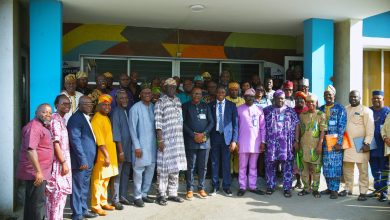
The Olowu of Owu, Oba (Prof.) Saka Adelola Matemilola, and the leadership of The Muslim Congress, Ogun State, have charged public officeholders, traditional and religious leaders, professionals and parents to uphold integrity, justice and accountability in the discharge of their responsibilities.
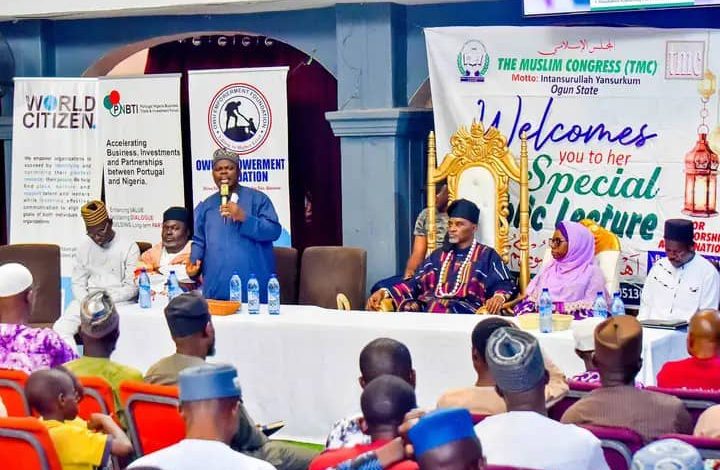
The call was made on Sunday at the TMC Ogun State Quarterly Lecture, free medical outreach and fire-safety enlightenment programme held at the Olowu Palace, Owu, Abeokuta.
The programme, which had the theme, “Trust and Leadership in Islam,” also provided free medical screening, consultations and drugs to more than 200 beneficiaries through a collaboration between TMC, Accurate Medical Diagnosis and Damien Foundation.
Participants also received health education and practical enlightenment on fire prevention and safety.
Speaking at the event, the Olowu commended TMC for combining religious education with humanitarian interventions, stressing that Islamic propagation should go beyond sermons to initiatives capable of improving the quality of life of members of society.
The monarch said the medical outreach and fire-safety awareness demonstrated the importance of addressing both the spiritual and material needs of the people.
He also emphasised the significance of Zakat, describing it as a compulsory pillar of Islam for Muslims who meet the prescribed conditions.
According to the monarch, Muslims should constantly remember that they would be accountable for their actions before Allah, urging those entrusted with leadership positions to discharge their responsibilities with sincerity.
The guest speaker, Dr Afiz Oladimeji Musa, Director of the Insight Institute for Islamic and Technical Studies and Deputy Qadi of the Shariah Arbitration Council, Ogun State, described leadership as an Amanah, or trust, carrying serious responsibilities before Allah.
Musa warned against desperation for leadership positions, saying the higher the authority entrusted to an individual, the greater the responsibility and accountability attached to it.
He said accountability was not limited to presidents, governors, traditional rulers or religious leaders, stressing that everyone entrusted with responsibility was a leader in one capacity or another.
“Whether you are the President, a governor, a traditional ruler or an ordinary individual, Allah will call you to account for the Amanah given to you,” he said.
The Islamic scholar cited the prophetic teaching that everyone is a shepherd and would be questioned about those under their care.
He explained that teachers, civil servants, parents, wealthy individuals, artisans and professionals all exercise leadership in different forms and must therefore recognise their responsibilities to others.
Musa identified truthfulness, sincerity, justice and competence as essential attributes of responsible leadership.
He cautioned that knowledge or truthfulness alone might not be sufficient to qualify an individual for a particular leadership responsibility without the competence required to discharge it effectively.
The scholar further urged leaders to accept constructive criticism and avoid self-denial, arguing that openness and accountability were critical to responsible stewardship.
Drawing lessons from the leadership of Prophet Dawud, he said authority ultimately comes from Allah and must therefore be exercised with justice.