By Dave Agboola
Nations are often remembered through the leaders they elect. Just as often, however, they are shaped by the entrepreneurs they produce.
The story of modern Nigeria cannot be told without its great business builders. Aliko Dangote redefined industrial production. Tony Elumelu transformed banking and democratized entrepreneurship. Femi Otedola expanded his influence in energy while elevating the culture of strategic philanthropy.
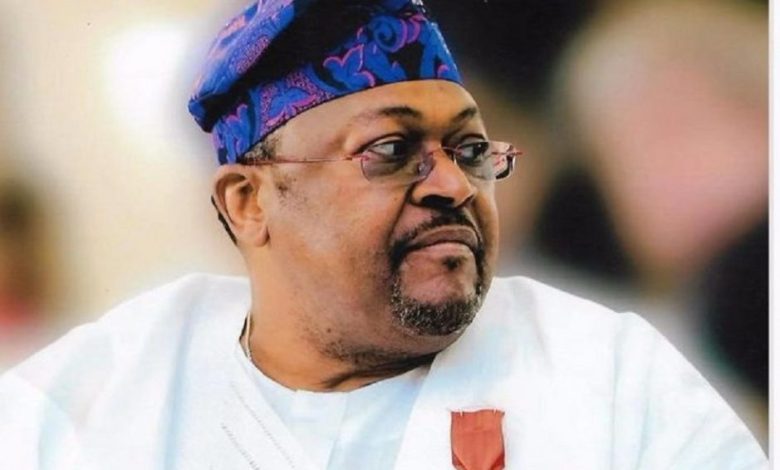
Among them stands Mike Adenuga Jr., one of the most consequential yet least understood figures in Nigeria’s economic history.
Known as both the “Gentle Giant” and “The Bull,” Adenuga has spent more than four decades reshaping Nigeria’s economy while avoiding the spotlight. He grants few interviews, makes even fewer public appearances, and appears to have concluded long ago that publicity is overrated. Instead, he lets his businesses do the talking.
They have been remarkably chatty.
From telecommunications and oil to banking, real estate, aviation, sports, and entertainment, Adenuga has built enterprises that touch virtually every strategic sector of the Nigerian economy. His companies have done more than create wealth. They have challenged monopolies, expanded access, created jobs, and strengthened indigenous participation in industries long dominated by foreign interests.
Nowhere is that more evident than in telecommunications.
When Globacom entered Nigeria’s telecom market in 2003, mobile communication remained too expensive for many Nigerians. A few operators dominated the industry and consumers had limited options. Adenuga recognized something simple but powerful: telecommunications could not drive national development if ordinary people could not afford to use it.
His introduction of per-second billing changed the game.
Competitors were forced to rethink their pricing models, and millions of Nigerians suddenly gained more affordable access to communication. It was not merely a clever marketing strategy. It reshaped an industry.
But Adenuga was never interested in winning today’s battle and ignoring tomorrow’s war. Through investments such as the Glo-1 submarine cable and an extensive fiber-optic network, Globacom helped lay the infrastructure for Nigeria’s digital future.
More than two decades later, Globacom remains Nigeria’s only wholly indigenous telecommunications giant. In a capital-intensive industry dominated by global players, that achievement is both commercial and symbolic. It demonstrates that Nigerian-owned companies can compete at the highest level and win.
His success in oil and gas tells a similar story.
Through Congas and Conoil Producing, Adenuga built one of Nigeria’s leading indigenous energy companies in a sector historically controlled by multinational corporations. At a time when many assumed only foreign firms possessed the expertise and financial strength to operate at scale, Conoil proved otherwise.
Long before “local content” became a policy buzzword, Adenuga was already practicing it. His success challenged the notion that world-class energy companies had to come from somewhere else.
His influence extended into banking as well, although that chapter receives far less attention.
Through his early investment in Equitorial Trust Bank, Adenuga supported efforts to expand access to modern financial services during a critical period in Nigeria’s economic development. His philosophy was straightforward: people cannot build wealth, grow businesses, or participate fully in the economy if they remain outside the financial system.
That vision outlived the institution itself. Equitorial Trust Bank later became part of Sterling Bank during the banking consolidation era, helping create a stronger institution with wider reach and greater capacity. While often overshadowed by his achievements in telecoms and energy, Adenuga’s contribution helped advance financial inclusion and strengthen Nigeria’s banking landscape.
Yet his ambitions were never confined to balance sheets and boardrooms.