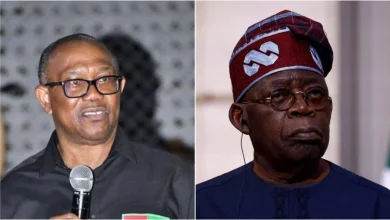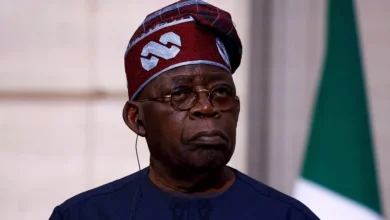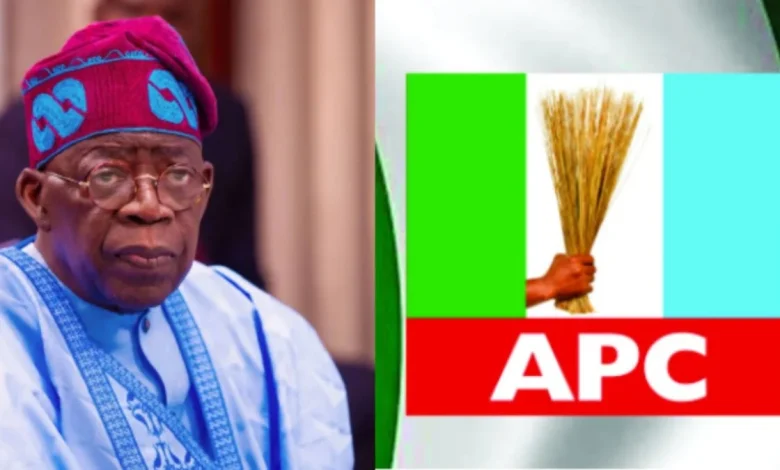
An All Progressives Congress (APC) chieftain, Obidike Chukwuebuka, has warned that Nigeria could suffer the consequences of abandoning President Bola Tinubu’s reform agenda.
This was as he urged Nigerians to re-elect Tinubu in the upcoming 2027 presidential election to continue the reforms.
Obidike, who is Chairman and Chief Executive Officer of Clarivo Holdings Limited, said continuity was necessary to consolidate what he described as the economic and institutional reforms introduced by the Tinubu administration since May 2023.
The APC chieftain acknowledged the economic difficulties confronting Nigerians but argued that the administration inherited a challenging economic situation and had been compelled to take what he described as “bold and painful decisions” to address longstanding structural problems.
He listed the removal of petrol subsidy, foreign exchange reforms, increased revenue mobilisation, student loans, infrastructure projects, healthcare interventions and reforms in the oil and gas sector among the major developments recorded under the administration.
According to him, the Tinubu government should not be judged solely by the immediate hardship associated with some of its policies, but also by the structural changes being introduced into the economy.
Obidike described the removal of petrol subsidy in May 2023 as one of the administration’s most significant economic decisions, arguing that it ended a subsidy regime that had consumed trillions of naira in public resources.
He also linked the subsidy removal to the foreign exchange reforms introduced by the Central Bank of Nigeria (CBN), saying both measures had contributed to improving the country’s fiscal position.
The APC chieftain further pointed to increased allocations from the Federation Account as evidence of the changes taking place in the country’s revenue system.
He said the rise in Federation Account Allocation Committee, FAAC, disbursements had expanded the fiscal space available to federal, state and local governments, allowing them to address salary, pension, infrastructure and other obligations.
Obidike, who is also Chairman of Bidiks Nigeria Limited and Chief Executive Officer of Clarivo Oil and Gas, identified the Nigeria Education Loan Fund (NELFUND), as another major intervention.
He said the scheme had provided a structured, government-backed avenue through which Nigerian students whose parents could not afford university charges could access education loans.
He further noted that the university system had not experienced the prolonged nationwide disruptions associated with previous Academic Staff Union of Universities (ASUU) strikes during the current administration.
On infrastructure, Obidike listed the Lagos-Calabar Coastal Highway, Abuja-Kaduna-Kano Road, Enugu-Onitsha Expressway and the 9th Mile-Oturkpo-Makurdi Road among projects he said were ongoing under the Federal Government.
He also cited the Kano-Daura-Kongolam Road and the Calabar-Abuja Trans-Sahara Superhighway, which is expected to connect Cross River, Ebonyi, Benue, Nasarawa and the Federal Capital Territory.
The APC chieftain also highlighted local government autonomy, referring to the Supreme Court’s July 2024 judgment affirming the constitutional right of local governments to receive their allocations directly from the Federation Account.
He argued that the reforms, particularly those affecting public finance and local government administration, required time to produce their full impact.
Obidike said the major question before Nigerians in 2027 would be whether they wanted continuity in the reform process or another change of direction.
He maintained that some of the benefits of the reforms could take years to become fully visible because they involved institutional restructuring, changes in fiscal arrangements and efforts to attract long-term investment.
Urging Nigerians to return Tinubu to office, he said abandoning the administration at this stage could undermine the gains of its reforms.