…23 States Generate ₦2.2tn In Six Months, Up From ₦1.75tn In 2025
…JRB Targets Illegal Checkpoints, Revenue Stickers And Private-Account Payments
…15 States Yet To Adopt Framework Designed To Ease Business Burden
4. Headline
Daud Olatunji
Nigeria’s tax revenue collection recorded a 27 per cent increase in the first half of 2026, with 23 states generating about ₦2.2tn between January and June, according to the Joint Revenue Board.
The figure represents an increase from the ₦1.75tn generated by the same states during the corresponding period in 2025, amid the implementation of the country’s new tax regime and efforts to improve compliance while reducing multiple taxation.
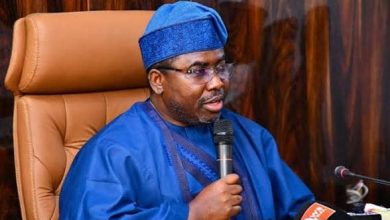
The Executive Secretary of the Joint Revenue Board, Olusegun Adesokan, disclosed the figures on Wednesday in Abuja, attributing the growth to improved tax administration, an expanded tax base and measures to ensure that individuals and businesses contribute according to their financial capacity.
Adesokan said the reforms were designed to boost government revenue without imposing excessive financial pressure on ordinary Nigerians.
“The vision is to tax prosperity, not poverty. Tax the fruit, not the seed. We should tax returns, not investments,” he said.
PLATFORM TIMES gathered that the revenue figures cover only 23 states that submitted returns to the board and do not represent the overall tax performance of Nigeria’s 36 states and the Federal Capital Territory.
The revenue increase comes as the government implements a revised tax framework intended to simplify tax administration, improve accountability and provide relief for low- and middle-income earners.
According to Adesokan, about 92 per cent of income earners in the states covered by the figures are paying lower personal income tax or no personal income tax under the new regime.
He said the reforms were intended to ensure that higher earners contribute appropriately while eligible lower-income earners retain more of their income.
As part of efforts to address multiple taxation, 21 states have adopted the model harmonised taxes and levies law developed by the Joint Revenue Board in collaboration with the Presidential Committee on Fiscal Policy and Tax Reforms.
The states are Kebbi, Kaduna, Zamfara, Ekiti, Enugu, Abia, Anambra, Gombe, Adamawa, Yobe, Borno, Niger, Plateau, Benue, Kogi, Kwara, Nasarawa, Akwa Ibom, Bayelsa, Delta and Ondo.
The remaining 15 states are yet to adopt the framework.
The legislation is designed to address situations in which businesses and individuals face overlapping tax demands from different government authorities, increasing operating costs and discouraging investment.
Adesokan said the framework consolidates more than 100 taxes, levies and charges into nine categories to make the system easier to understand and comply with.
“One of the things it addresses is the issue of multiple taxation at the subnational level, and it’s a major problem,” he said.
“Sometimes, the state government will collect the same thing. So what we have done is we have harmonised all the multiple taxes into just nine.”