..• Nearly 15,500 hospitalised as aid cuts, food shortages threaten treatment
Ayomide Awe
More than 87,000 children received treatment for acute malnutrition in Katsina State between January and August 2026, raising fresh concerns over the persistent child nutrition crisis in northern Nigeria.
The figure, released by the international medical humanitarian organisation, Médecins Sans Frontières (MSF), represents a decline from the over 95,000 children treated during the corresponding period in 2025. However, the organisation warned that the number remains alarmingly high.
Nearly 15,500 children were also hospitalised for severe or complicated malnutrition within the eight-month period, compared with approximately 16,500 recorded during the same period last year.
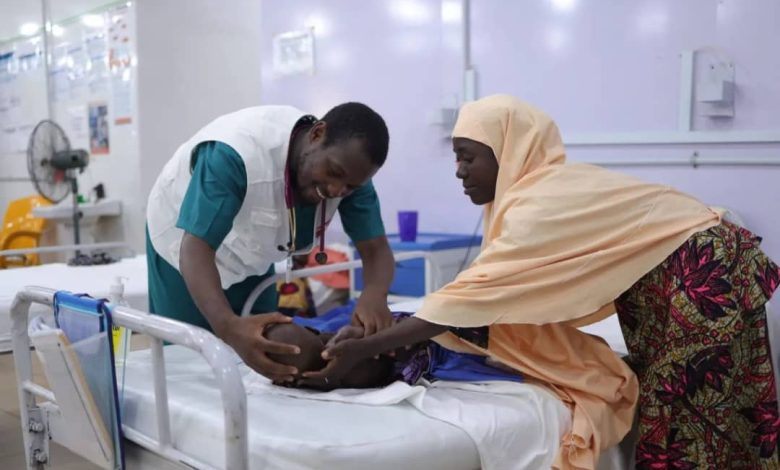
The children received outpatient and inpatient care at MSF-supported therapeutic feeding facilities in Katsina, where poverty, food insecurity, displacement, disease outbreaks and extreme weather continue to expose vulnerable families to malnutrition.
MSF’s medical coordinator in Nigeria, Raphael Kananga, said the reduction in the number of children treated should not be mistaken for an end to the crisis.
He noted that the number remained higher than the level recorded two years ago, despite the decline from the 2025 figures.
The organisation clarified that the statistics covered children treated at its facilities and did not represent the total number of malnourished children across Katsina State.
Kwashiorkor raises fresh concerns
MSF also expressed concern over the prevalence of kwashiorkor, a severe form of malnutrition that can cause swelling of the body and skin lesions.
The organisation warned that the condition could be difficult for caregivers to recognise, potentially delaying medical intervention until a child’s health had deteriorated significantly.
To improve care for affected children, MSF established a specialised unit within its inpatient therapeutic feeding centre in Katsina.
A mother, Badiyya Shafi’u, whose child received treatment at the facility, said she initially did not realise that her child’s condition was caused by malnutrition.
According to her, the child’s health deteriorated to the point that he could not sit without assistance.
She said the situation improved following treatment, adding that the child could subsequently sit independently, stand with assistance and had begun attempting to walk again.
MSF, however, did not disclose the number of children specifically diagnosed with kwashiorkor during the period under review.
Improved harvests, security reduce admissions
The humanitarian organisation attributed part of the decline in treatment figures to improved agricultural harvests and better security in some parts of Katsina.
Its partnership coordinator, Jean-Clément Ishimwe, said some families displaced by insecurity in Jibia and Batsari local government areas had returned to their communities and resumed farming.