Black Market Dollar Rate Today: How Much Is Dollar to Naira? — Friday, October 30, 2026

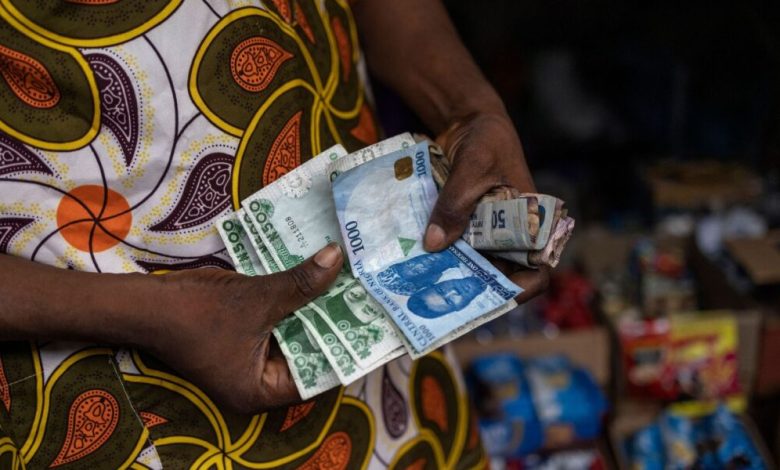
The Dollar to Naira exchange rate in Nigeria’s black market stood at approximately N1,375 for buying and N1,390 for selling on Friday, October 30, 2026, as the naira maintained relative stability against the United States dollar.
The latest parallel-market quotations indicate that the Nigerian currency has remained within its recent trading range despite continued demand for foreign exchange from importers, manufacturers, international travellers and individuals making overseas payments.
At the prevailing rates, Bureau De Change (BDC) operators are buying dollars from Nigerians at approximately N1,375 per dollar, while customers purchasing the American currency are paying around N1,390.
However, exchange rates vary across dealers and trading locations, with some market trackers reporting a slightly lower selling rate of N1,385.
How Much Is Dollar to Naira Today in the Black Market?
The indicative black market exchange rates for Friday, October 30, 2026, are:
| Currency | Buying Rate | Selling Rate |
|---|---|---|
| US Dollar (USD) | N1,375 | N1,390 |
Based on these quotations, the following conversions apply:
- $100: N137,500 when selling and N139,000 when buying.
- $200: N275,000 when selling and N278,000 when buying.
- $500: N687,500 when selling and N695,000 when buying.
- $1,000: N1,375,000 when selling and N1,390,000 when buying.
The difference between the buying and selling rates stands at N15 per dollar. Actual transaction prices may vary depending on the dealer, location and amount exchanged.
Naira Holds Steady as Official Market Records Gains
The naira maintained its recent trading range in the parallel market on Friday, with indicative buying and selling rates unchanged from those reported in Thursday’s Investors King update.
However, the official foreign exchange market continued to show signs of improvement, with the naira strengthening during Thursday’s trading session.
The latest official-market data showed the currency trading around N1,347 per dollar on October 29, compared with approximately N1,349 in the preceding session.
The improvement followed gains earlier in the week, when the naira strengthened from N1,365 per dollar on Monday to N1,357 on Tuesday.
The recent appreciation has narrowed the difference between official and parallel-market exchange rates compared with periods when the currency traded at a substantially wider premium in the informal market.
For importers and manufacturers, a stronger official exchange rate could reduce the naira cost of foreign purchases, particularly where businesses obtain dollars through authorised banking channels.
However, the extent of any cost reduction will depend on actual transaction rates, foreign exchange availability and other import-related expenses.
Official Dollar to Naira Exchange Rate
At the official Nigerian Foreign Exchange Market (NFEM), the naira traded around N1,346.86 per US dollar during early transactions on Friday, October 30, 2026.
The quotation followed Thursday’s official-market performance, when the naira traded around N1,347 per dollar.
Using Friday’s early official quotation of N1,346.86 and the indicative parallel-market selling rate of N1,390, the difference between the two markets stands at approximately N43.14 per dollar, equivalent to 3.20% of the official rate.
The comparison uses an early Friday official-market quotation rather than a confirmed closing rate for the trading session.
The Central Bank of Nigeria (CBN) oversees Nigeria’s official foreign exchange framework and publishes currency market information used by banks, businesses and investors.
The relatively narrow difference between the official and parallel-market rates remains important for businesses assessing foreign exchange costs and transaction options.
Factors Influencing Dollar to Naira Exchange Rate
Several economic developments continue to influence Nigeria’s currency market.
Foreign Exchange Liquidity: The availability of dollars through banks, authorised dealers and other market channels affects exchange rate movements. Improved supply can reduce pressure on the naira when demand remains moderate.
Crude Oil Export Earnings: Nigeria’s crude oil production, international oil prices and export receipts influence foreign currency inflows and the country’s external revenue position.
Import Demand: Manufacturers and importers require dollars to purchase machinery, raw materials and finished goods, making international trade an important source of foreign exchange demand.
Foreign Investment: Portfolio investment and foreign direct investment contribute to dollar availability, while the repatriation of investment proceeds can increase demand for foreign currency.
Diaspora Remittances: Transfers from Nigerians living abroad provide an additional source of foreign exchange inflows and support currency market liquidity.
Monetary Policy: Interest rate decisions, liquidity management and foreign exchange regulations implemented by the CBN influence investor expectations and financial market conditions.
Dollar to Naira Outlook
The naira’s performance in the coming trading sessions will depend largely on whether the recent improvement in the official foreign exchange market can be sustained.
Stronger foreign currency inflows, improved market liquidity and continued investor confidence could provide additional support for the Nigerian currency.
However, renewed demand from importers, manufacturers and individuals making overseas payments could put pressure on exchange rates if available dollar supply fails to keep pace.
Market participants will continue monitoring official exchange rate movements, Nigeria’s external reserves, crude oil prices and monetary policy developments for indications of the currency’s near-term direction.
For daily Dollar to Naira exchange rate updates, Nigerian business news, financial market developments and economic analysis, visit Investors King.