Nigeria Begins 17.7MW Oyo Mini-Grid Projects to Cut Businesses’ Generator Dependence

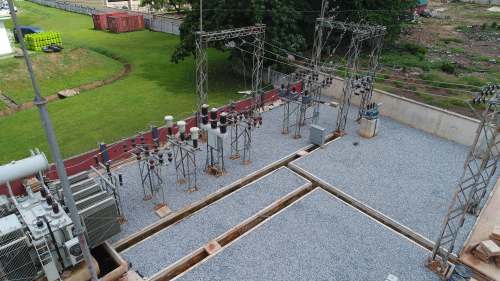
The Federal Government has commenced the development of 17.7 megawatts of interconnected mini-grid projects in Oyo State, targeting lower generator dependence, reduced operating costs and more reliable electricity for businesses across five communities in Ibadan.
The projects, which have entered the construction phase, are expected to improve electricity availability for manufacturers, traders, artisans and other small businesses that currently rely on petrol and diesel generators to sustain operations during power outages.
For businesses, the economic significance extends beyond access to electricity. A more dependable supply could reduce expenditure on generator fuel and maintenance, improve production efficiency and allow enterprises to operate for longer hours without the recurring costs associated with self-generated power.
The five projects will serve Bola, Jiboye, Molade-Adelubi, Ogo-Oluwa and Sooko-Elega communities in Oyo State.
The initiative involves a combined planned generation capacity of 17.7MW, supported by a battery energy storage system rated at 17.74 megawatt-hours.
The storage component is intended to improve supply reliability by helping manage fluctuations between electricity generation and demand.
The projects are being developed by Paras Energy and Natural Resources Development Limited, with the involvement of the Rural Electrification Agency (REA), the Ibadan Electricity Distribution Company and development partners.
At the groundbreaking ceremony, Minister of Power Joseph Tegbe identified improved electricity reliability as a priority for strengthening economic activities and expanding investment opportunities in communities where inadequate power supply has constrained businesses.
The proposed infrastructure includes 18 new transformers to support electricity distribution with the government targeting at least 20 hours of daily supply when the projects become operational.
For small and medium-sized enterprises, the potential benefits could be substantial.
Businesses operating cold rooms, food-processing equipment, welding machines, printing facilities and other electricity-dependent operations often face additional costs when grid supply becomes unreliable.
These expenses can affect the prices charged to customers, particularly where businesses must recover the cost of fuel, generator servicing and equipment repairs.
A reliable local electricity network could reduce the frequency of generator use and give operators greater certainty over daily production schedules.
It could also support businesses seeking to expand capacity but unwilling to invest in additional equipment without dependable electricity.
However, the financial benefits will depend on the eventual electricity tariffs, service reliability and the proportion of generator consumption that the new systems can replace.
The government has not disclosed the total project cost, the tariffs customers will pay or a confirmed commissioning date.
Consequently, the anticipated reduction in business operating costs remains a potential outcome rather than an established saving.
Unlike conventional stand-alone mini-grids, interconnected systems operate in coordination with an existing electricity distribution network. This arrangement can help provide additional local generation capacity while supporting electricity delivery within the surrounding distribution area.
The Oyo projects reflect a broader shift towards locating electricity infrastructure closer to communities and economic centres where improved supply can support commercial activities.
For Nigeria’s manufacturing and small-business sectors, unreliable electricity remains a significant operational challenge because firms frequently need to finance their own backup generation.
Such spending diverts working capital from inventory, equipment upgrades, recruitment and other productive investments.
Reducing that burden could improve business competitiveness and create conditions for additional employment, particularly among smaller enterprises with limited access to financing.
The government has also identified electricity reliability as part of its wider economic infrastructure agenda, with plans to strengthen supply across major commercial corridors and improve the performance of the national grid.
Tegbe separately dismissed suggestions that the Federal Government was preparing to increase electricity tariffs, although that assurance does not establish the eventual charges for customers connected to the Oyo mini-grids.
The immediate test for the projects will be whether construction progresses into commissioning and whether the electricity supplied is sufficiently reliable and competitively priced to encourage businesses to reduce generator use.
Until then, the 17.7MW initiative represents a planned addition to Oyo State’s electricity infrastructure, with its ultimate economic impact dependent on delivery, pricing and sustained operational performance.