Building Collapse: Nigeria Loses ₦4.6trn In Four Years, 321 Killed In 10 Years – Report

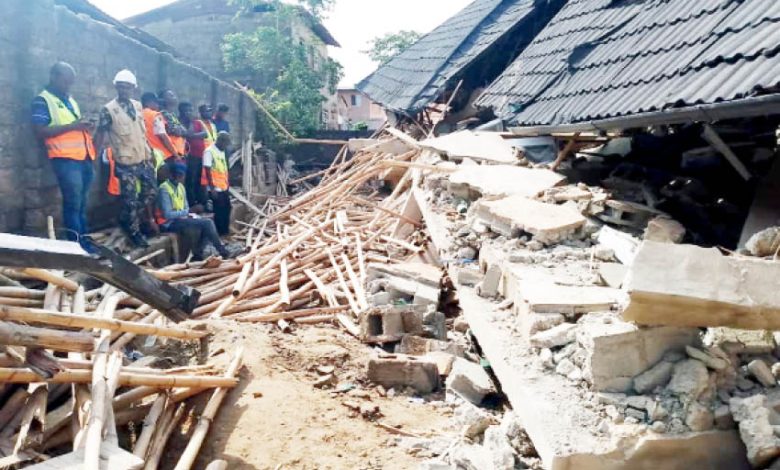
…Forensic investigators identify 111 collapse incidents, 344 injured between 2015 and 2025
…Lagos accounts for over half of recorded cases as experts blame substandard materials, poor supervision
…CIFCFIN, COREN, NBRRI launch initiative to tackle structural failures, demand accountability
Daud Olatunji
Nigeria has lost an estimated ₦4.6tn in property, goods and business assets to fire-related incidents between 2022 and 2025, while building collapses continue to claim lives and expose serious weaknesses in the country’s construction and regulatory systems.
A 2026 engineering study cited by the Chartered Institute of Forensics and Certified Fraud Investigators of Nigeria (CIFCFIN) also identified 111 validated building-collapse incidents across the country between 2015 and 2025, resulting in 321 deaths and 344 injuries.
The findings have renewed concerns over the quality of construction materials, professional standards, regulatory enforcement and the apparent failure to hold those responsible for structural disasters accountable.
President and Chairman of the Governing Council of CIFCFIN, Dr Iliyasu Gashinbaki, disclosed the figures during the induction of the inaugural cohort of Certified Engineering Failure Forensic Investigation (CEFFI) professionals.
Gashinbaki said the estimated ₦4.6tn losses represented approximately ₦1.15tn annually within the period covered by the analysis.
He, however, distinguished the economic losses from building-collapse fatalities, explaining that the figures were drawn from separate analyses of documented engineering and fire-related incidents.
According to him, the scale of destruction underscores the urgent need for Nigeria to abandon its largely reactive approach to infrastructure failures and embrace evidence-based investigations, professional accountability and stronger regulatory oversight.
The CEFFI initiative, established in collaboration with the Council for the Regulation of Engineering in Nigeria (COREN) and the Nigeria Building and Road Research Institute (NBRRI), is expected to strengthen the investigation of engineering failures through the integration of forensic science, engineering, law, regulation and criminal investigation.
Gashinbaki said the initiative would ensure that suspected negligence, professional misconduct, fraud and deliberate compromises of safety were properly investigated rather than allowing such incidents to end with emergency repairs, abandoned projects or official silence.
“Where there is suspected negligence, fraud, malpractice or deliberate compromise of safety, properly conducted forensic engineering can preserve the technical evidence required,” he said.
He urged regulators, project owners, contractors, professional bodies and law enforcement agencies to ensure that engineering failures attracted appropriate investigations and accountability.
Nigeria’s building-collapse crisis has persisted despite existing laws and regulatory institutions responsible for ensuring compliance with construction standards.
Figures cited by the Federal Government reportedly indicate that more than 650 buildings have collapsed nationwide since 1974, killing over 1,600 people.
Lagos, the country’s commercial hub, accounts for more than half of recorded incidents, with major disasters in 2021, 2022 and 2024 claiming several lives and destroying properties and livelihoods.
Residential buildings, commercial structures and educational facilities have repeatedly collapsed, sometimes during heavy rainfall or while occupants were asleep.
Investigations and expert assessments have frequently linked the disasters to substandard building materials, poor-quality blocks, unprofessional construction practices, inadequate supervision and contractors’ attempts to reduce project costs.